Etiquette
Shanghai's parks and riverside walks: how to use the free public space
Shanghai's parks and riverside walks are not sights but the free public space locals use daily, and this sorts them by function, explains how to walk the riverside as a route, and covers what happens in a park and how to behave in it.
Last updated6 min read
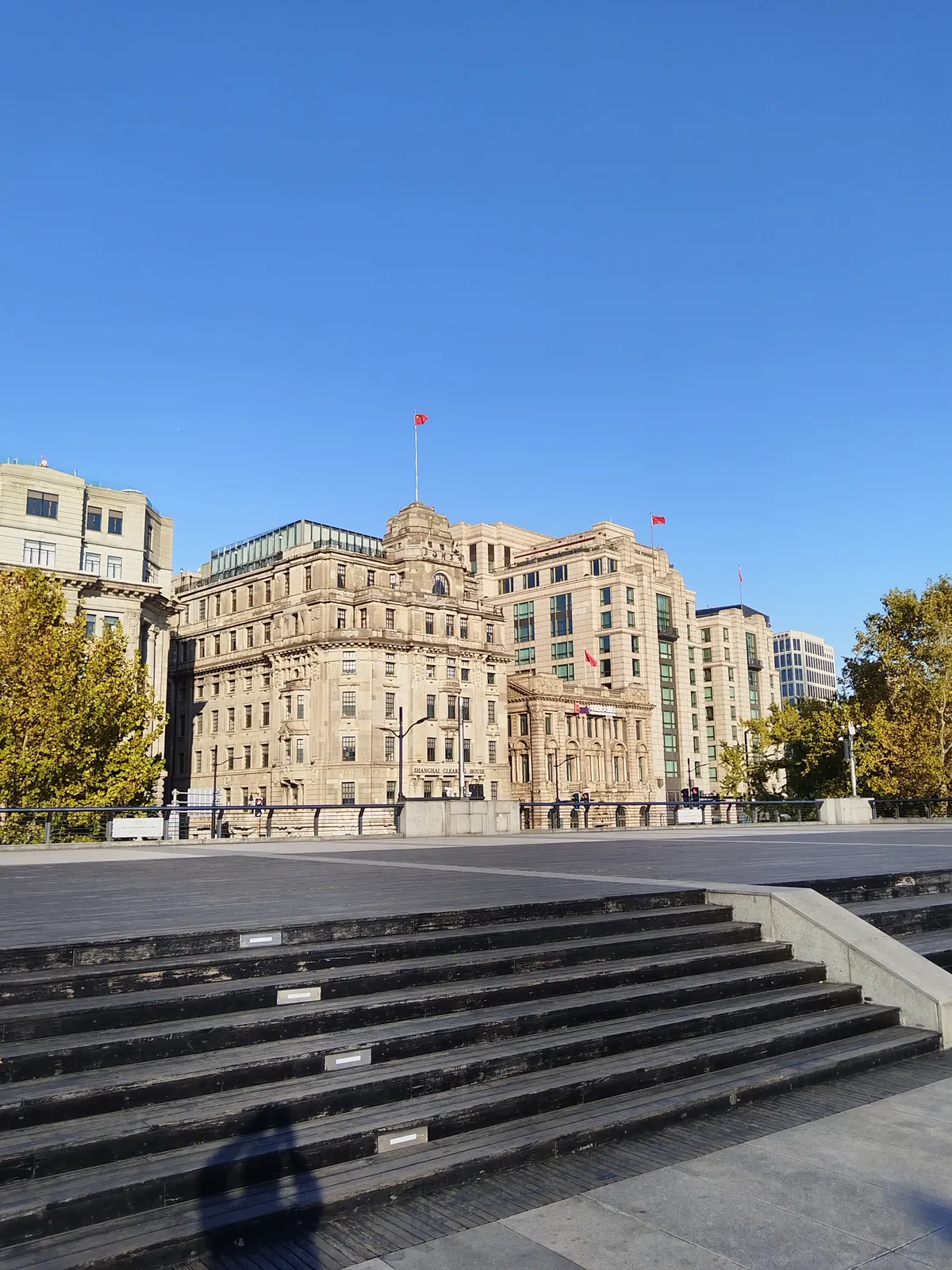
Shanghai has a great deal of public space with no ticket attached, and it is used the opposite way from a sight. A sight has an entrance fee, a queue and a defined thing to look at. Parks and riversides have none of that. They have one characteristic instead: locals are in them every day.
What makes this different from sightseeing
A sight can be completed: you see it, photograph it, leave. A park cannot. It has nothing you must see and no sense of achievement at the gate, only a stretch of time you decide what to do with. The right posture is therefore to do less. Look at the lake, find a bench for twenty minutes, watch a tai chi set or a card game, then go. There is no corner you have to find.
Parks are also all-day places. Early morning and evening bring different people, midday is quiet, rain empties them. Turning up at the wrong hour costs you nothing; it only changes what you see.
Sorting them by function, not by name
Large municipal parks. Lakes, big lawns, specialised gardens, benches and paths, an hour or more to walk round. They are both the local weekend outing and a city landmark, and the price is that weekends and holidays are their busiest; the separately ticketed inner gardens are mostly inside this kind of park.
Small neighbourhood parks. A few trees, a loop of path, some benches. Tourists almost never go, which makes them the most local category of all: the same faces, the same activities at the same hours. There is no point arranging your day around one, but if you are staying nearby it is the easiest place to watch an ordinary Shanghai day.
Riverside promenades. Linear public space along the water, best walked in one direction. They get their own section below.
Converted industrial waterfronts. What is left along the water where docks and factories were demolished or rebuilt. They keep an industrial scale: wide, little shade, open views of boats and the towers opposite, often with a surviving crane or rail line as landscaping.
Pocket gardens. A small patch of green between buildings or on a corner. Sitting down when your legs are tired is what they are for.
The riverside: the best free thing in Shanghai
It needs no planning. Most free options carry hidden costs: a queue, a narrow window, a booking. The riverside has none. You can step onto it whenever you like and step off whenever you like.
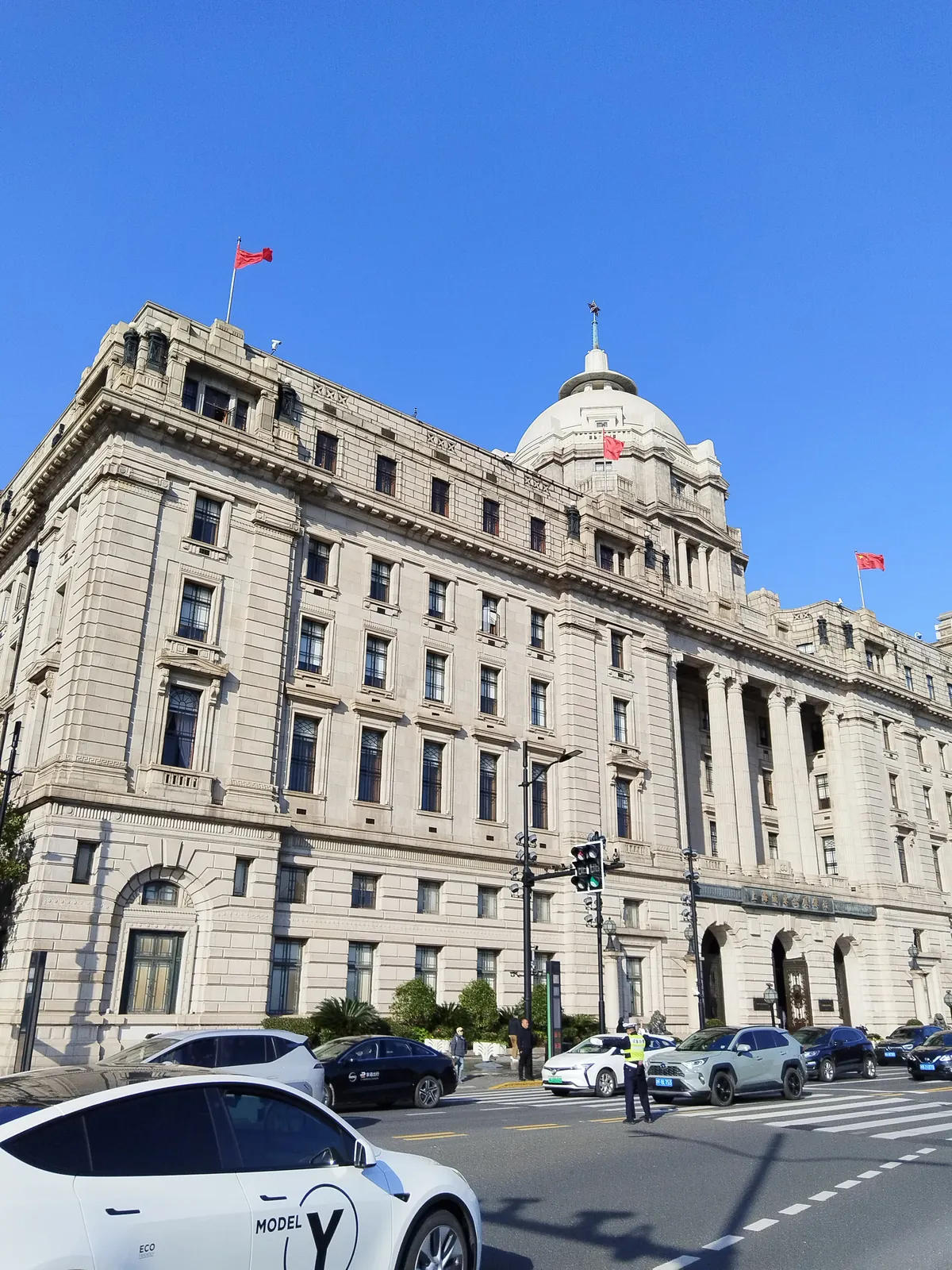
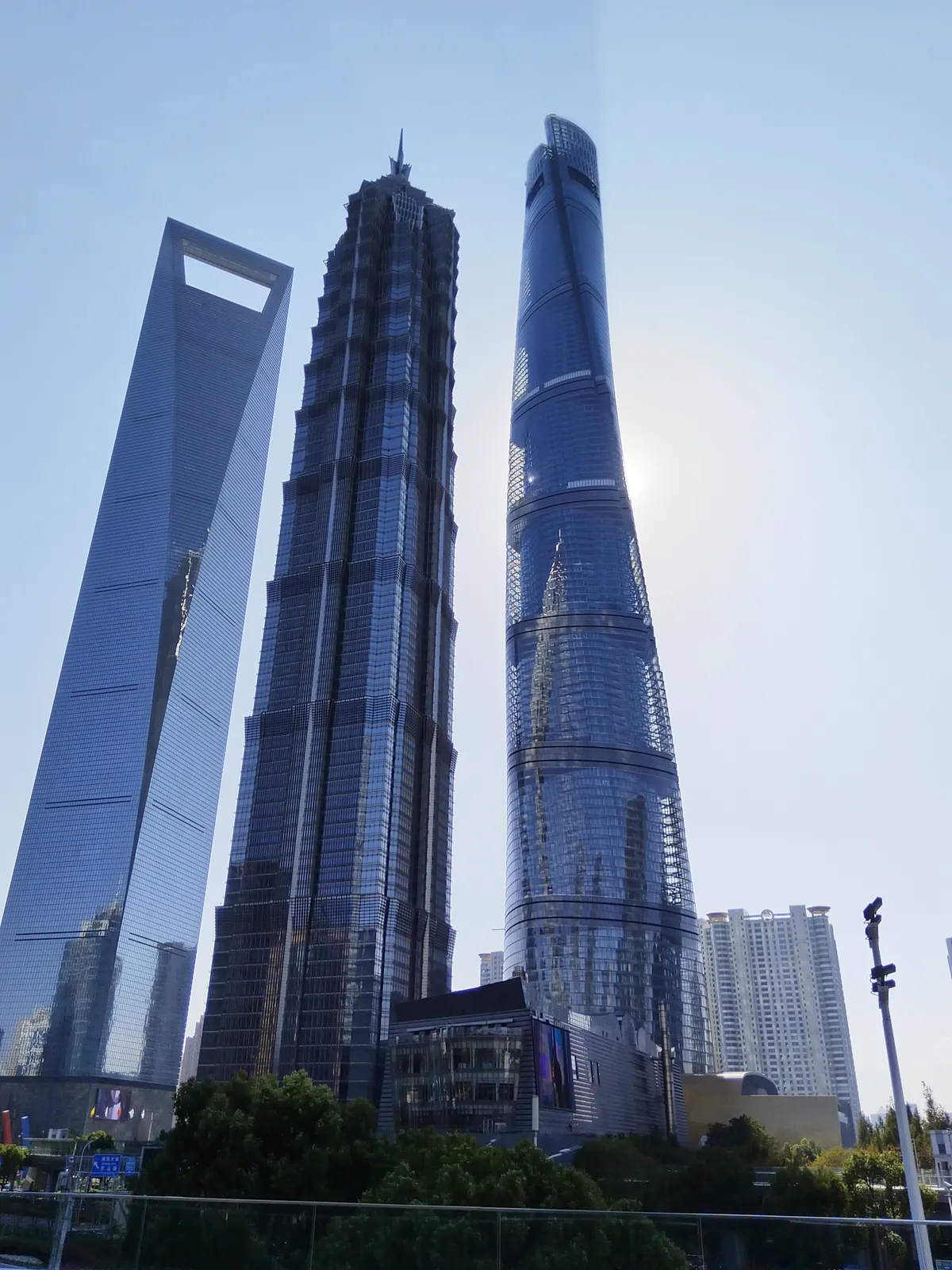
It works as a route, not a destination. This is the most underrated thing about it. If you are going from one place to another anyway, making that move along the water gives you the river for free. The direction works both ways: from the Bund area north along the water towards Hongkou, or across the river and back along the Pudong side to look at the historic waterfront opposite. A stretch is usually a kilometre or two, and you can leave at any junction.
Settle the bank and the direction first. Looking from Puxi at Pudong is the classic picture and the busiest stretch; the reverse, looking back at the old buildings from the Pudong side, is much less crowded. The lighting comes on around sunset and the exact hours shift with the season and with temporary arrangements. Some stretches are under construction or being rebuilt and close temporarily, so check a map before you set out.
What actually happens in a Chinese park
More than half of what a park contains is not scenery. It is people.
Early morning belongs to the exercise groups. Tai chi, fan dancing, choirs, instruments, badminton, diabolo, each with its own patch of ground. They are usually fixed groups at the same hours in the same place, year after year.
Evening brings a different set. The square dancing usually starts around nightfall and is the loudest thing in the park. Card and chess players are there from day into evening, a board on the ground drawing a ring of onlookers. You will also come across opera singing, instruments, people writing on the paving with a long brush and water, and bird cages hung in the branches.
Joining in is welcome, and watching is normal. Ask to join a tai chi set or a dance and you will rarely be refused; standing quietly at a distance is entirely acceptable. The camera is what needs care: catch someone’s eye before photographing a face.
The practical side, and a few unwritten rules
Tickets. Ordinary parks are generally free to enter, but free does not mean everything inside is free. Some parks contain separately ticketed inner gardens: a penjing or bonsai garden, an orchid house, a conservatory, an exhibition in a historic building. Plenty of others cost nothing. Whether there is a charge, whether it is open, and whether you must book in advance differ from park to park, so check before you go.
Opening hours. They change with the season, and different gates of the same park can differ. Go by what the park publishes on the day.
Bicycles and dogs. Bicycles are generally not allowed inside; there is usually parking at the gate. Dogs are more restricted still: most parks do not admit them, and some allow them only at set hours and at a particular entrance, so read the notice at the gate.
Toilets and drinking water. Toilets are near the main gates and the activity areas, plentiful in a large park and possibly just one in a small neighbourhood one. Drinking water is not available in every park, so carry your own.
Noise and litter. Square dancing, choirs and personal speakers are the main source of friction; the answer is to move away rather than to argue. Take your rubbish with you or put it in the bins.
A park is not a backdrop. The people doing their morning exercises are there for the most important social hour of their day, not to be scenery.
Fitting a park into a day, and who should skip it
Dropping in on the way beats making a trip. A park’s value is in inverse proportion to how tight your schedule is.
- The Bund and the historic waterfront. Walk a stretch of the riverside promenade and merge the journey with the view.
- A large municipal park. Allow half a day; it sits on the map as a block of its own.
- A gap in the day. A park is the lowest-risk option: no booking, and if you have chosen wrong you can simply leave.
- The first jet-lagged morning. Early morning is when a park has most in it, so waking early stops being a loss.
- Weekend and holiday afternoons. The best-known parks are extremely crowded.
It suits anyone willing to slow down; anyone curious about how people here actually live; and anyone travelling with children or older companions who needs somewhere to sit down at short notice. Skip it if your time is short and your list is headline sights, or if you are only interested in architecture and gardens.
Honestly, there are three ways a park disappoints. It turns out to be a lawn and a couple of paths with no lake, no shade and nothing happening; a stretch of riverside is a building site behind hoarding; or one of the famous parks is so crowded at the weekend that it stops functioning as a park. The first two can be avoided by looking at a map and a photograph beforehand. The third can only be avoided by choosing your time. Dropping in for twenty minutes on the way past is usually a better use of these places than making a special journey.
place.gallery
Photographs
Related reading
Etiquette
How to walk the Bund: timing, route, and the mistakes people make
The Bund is a 1.5 km riverside promenade where the old buildings and the Pudong skyline face opposite ways. Here is when to go, which end to start from, and where visitors get it wrong.
5 min read