Etiquette
Choosing a show in Shanghai: five formats, tickets and seats
Shanghai's performance scene is not one market but five different evenings. Here is who each format suits, how tickets are actually bought, how to pick a seat, and which formats most often disappoint.
Last updated7 min read
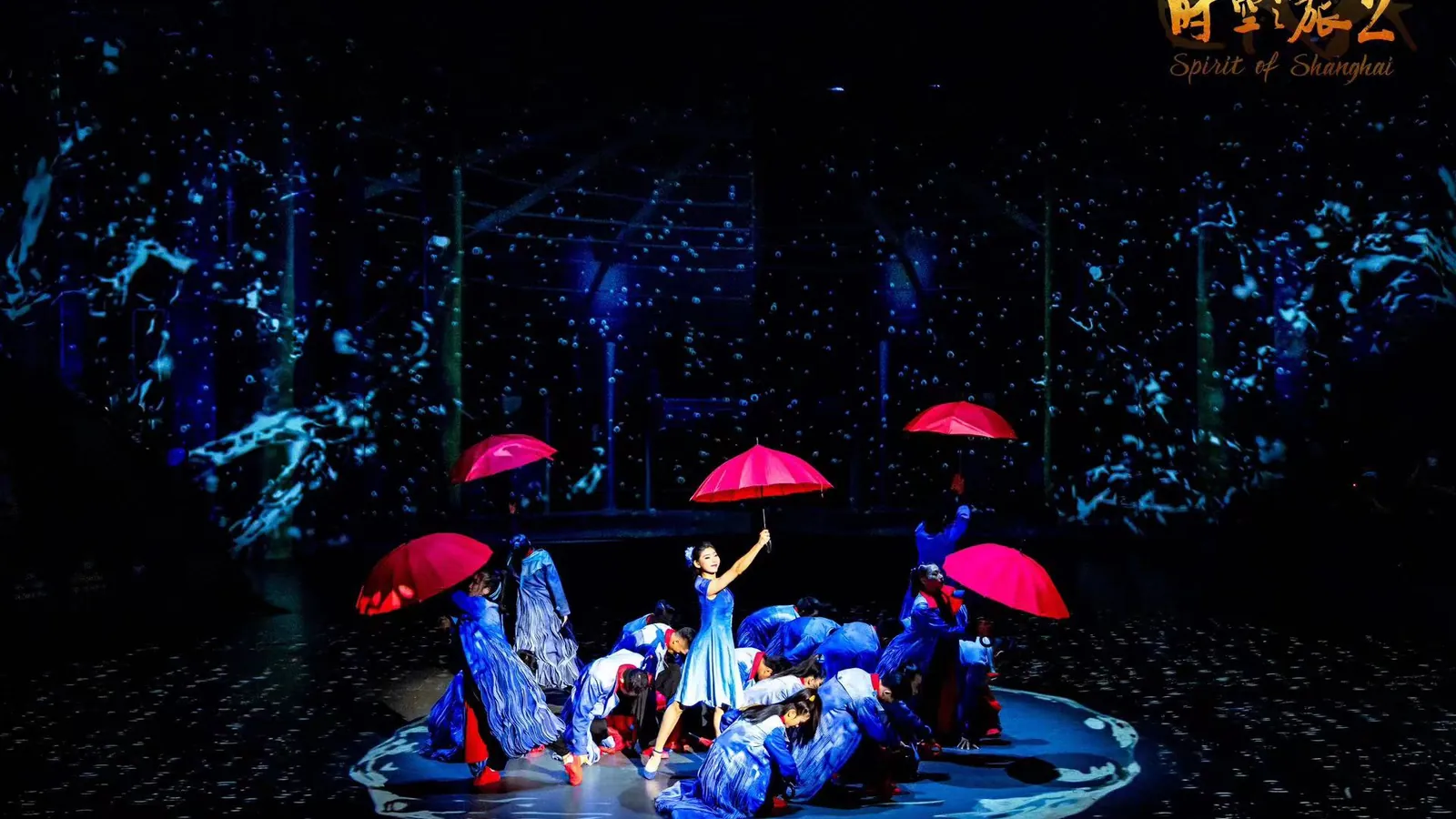
Shanghai’s performances are not one market but five different evenings: large-scale acrobatics and multimedia residencies, traditional Chinese opera, classical music and dance in the concert halls, jazz and small-venue live music, and the dinner-and-a-show package. They are not the same product at different prices, and they do not substitute for one another. Decide what you want first: an evening that asks nothing of you, real craft, music, or dinner and a show in one place. This guide quotes no figures, because times, prices and seat tiers change; treat the official box office as the only reliable source.
The five formats, and what each is for
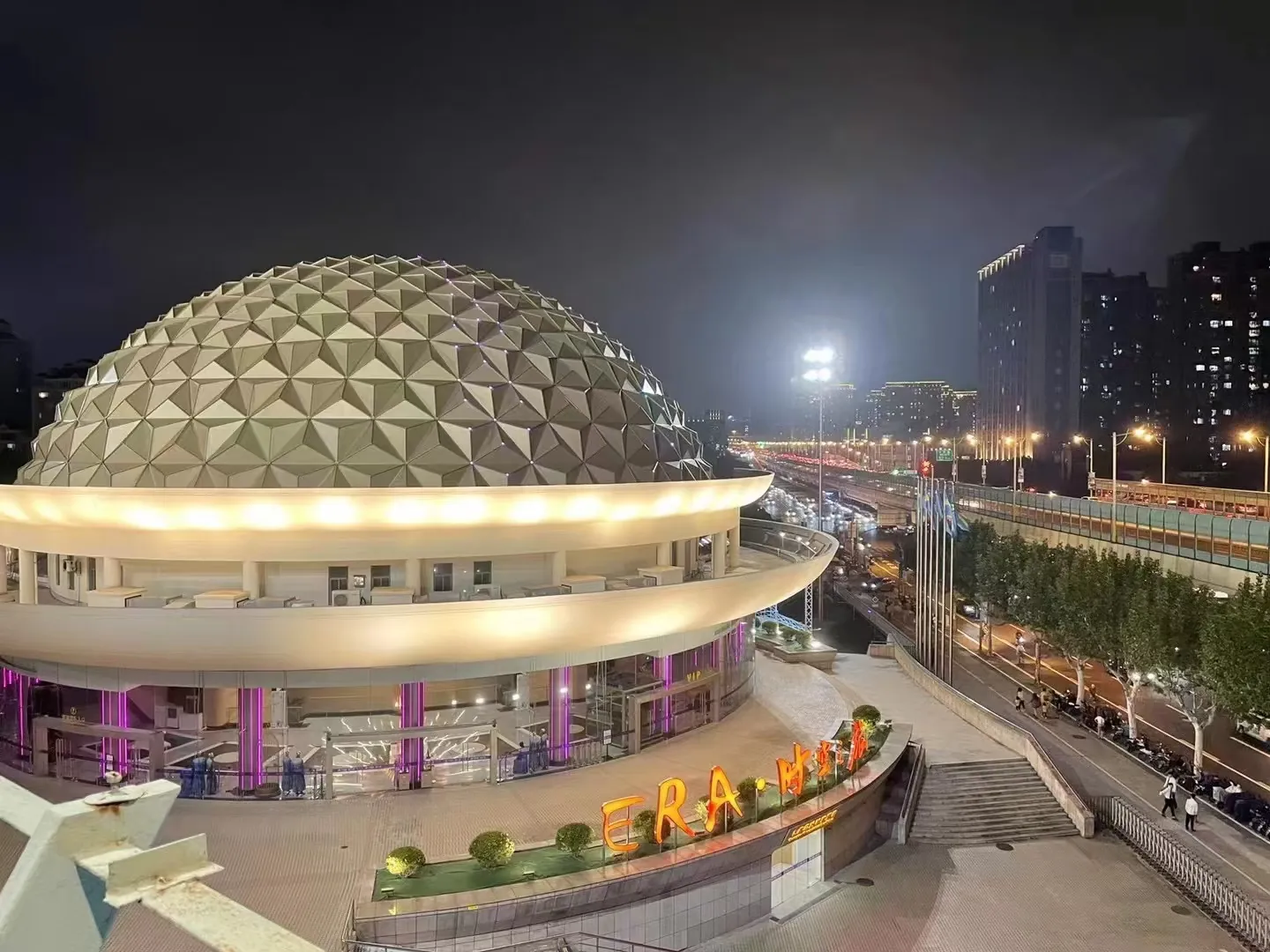
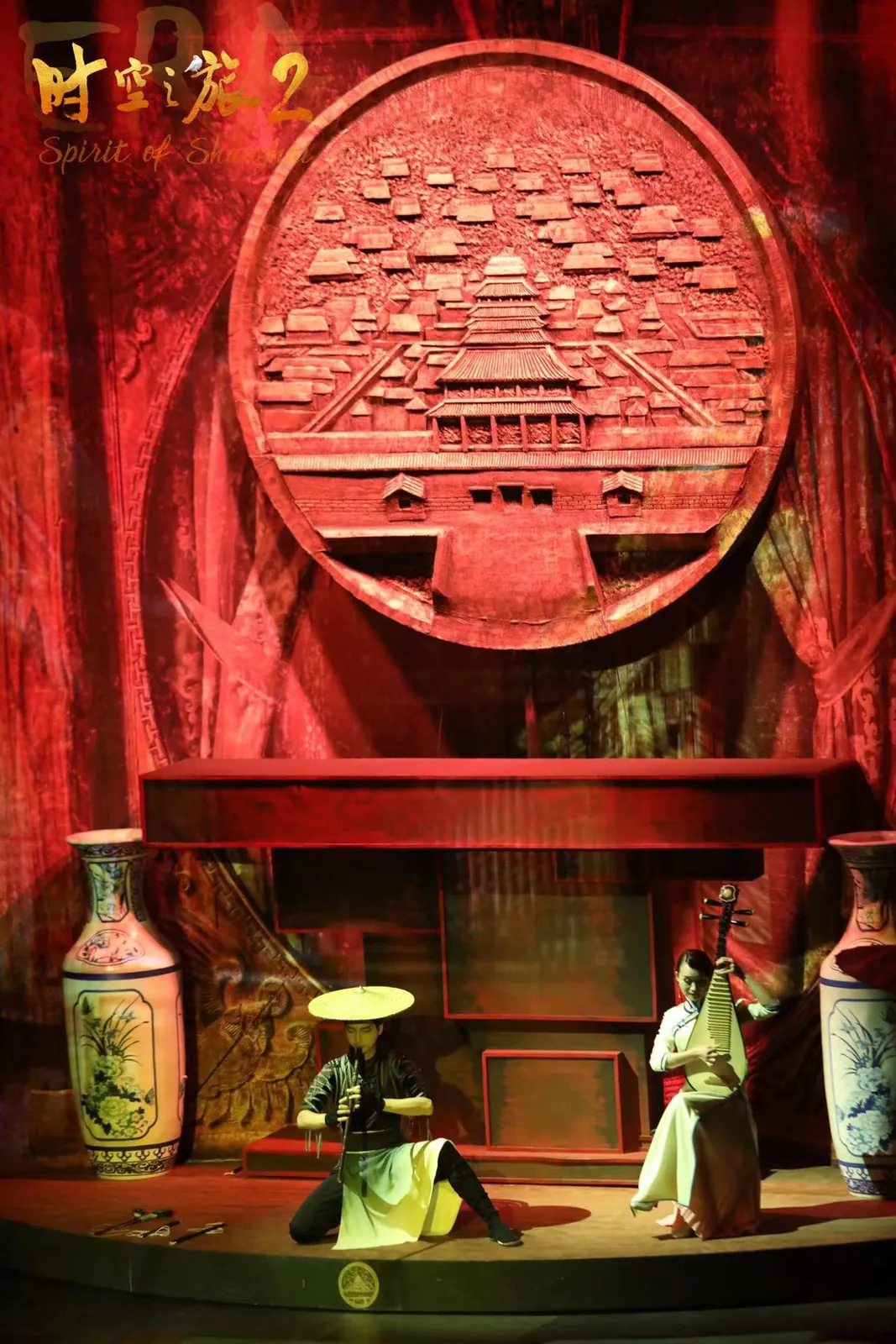
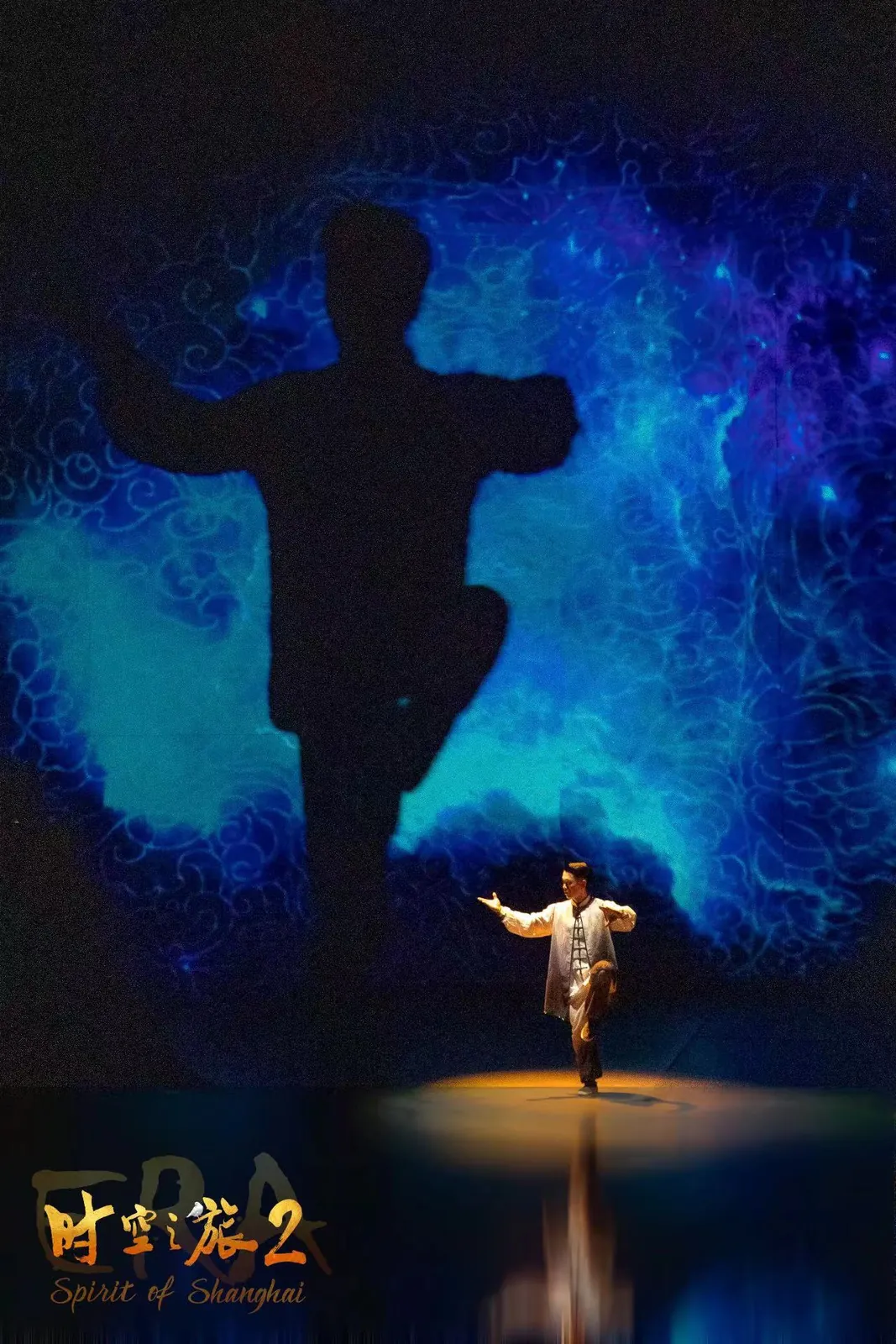
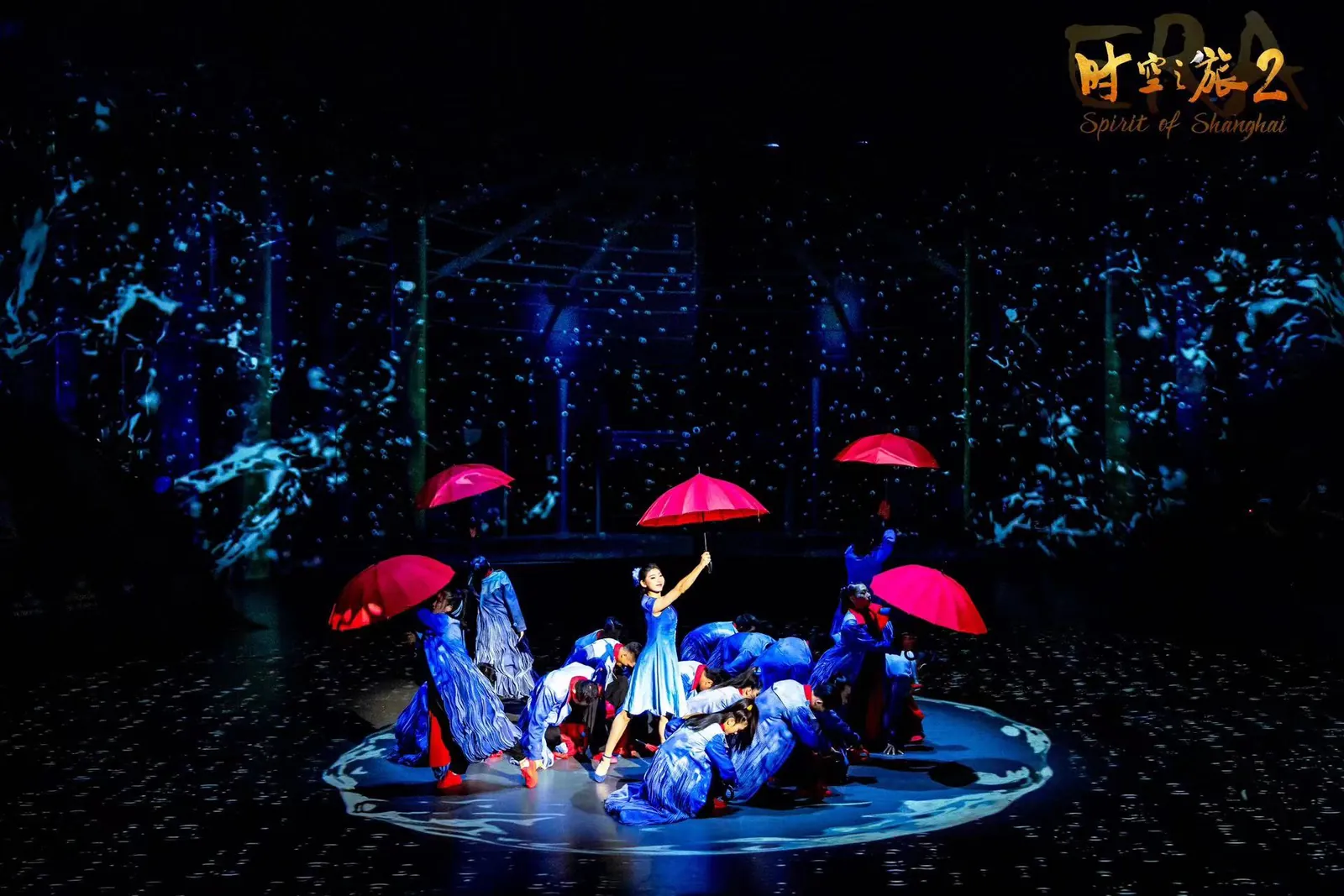
- Large-scale acrobatics and multimedia residencies. Contortion, aerial work, balancing and tumbling, broken into segments and threaded through projections, music and group dance. Almost no spoken dialogue, so the language barrier is the lowest here; a performance runs about an hour and a half. ERA at Shanghai Circus World is the one most often booked.
- Traditional Chinese opera. Peking opera, kunqu, yue opera and Shanghai’s huju each have their own singing style and audience. A full-length work often runs two to three hours; an evening of excerpts is much shorter. It is the most local item here, and the hardest on language.
- Classical music and dance in the concert halls. Symphony, chamber music, recitals, ballet or contemporary dance. Whether it is worth your evening depends on that night’s programme and performers, not on the fame of the building.
- Jazz and small-venue live music. Bars, small theatres and livehouses: small scale, late starts, scattered information, and the widest night-to-night variation, because it depends on who is playing.
- Dinner and a show. A buffet or set meal with acrobatics, song and dance or face-changing acts, sold on convenience.
Who each format suits, and who should skip it
- The big acrobatics shows suit families with children, people who have just landed, anyone avoiding a language barrier, and a rainy evening. Skip them if you have seen much contemporary circus, or want the summit of Chinese acrobatics: the technique is sound, but the staging looks dated, the auditorium is large and tour groups fill much of it.
- Opera suits anyone interested in the singing, movement and percussion, and willing to read a plot summary first. Skip it if you do not listen to opera and will not read subtitles, or are bringing children and expecting to be out in ninety minutes: the slow pace and the sung dialect are a real barrier.
- The concert halls suit people who already go to concerts, and anyone curious about Shanghai’s halls and orchestras. Treating a concert as a box to tick, or hoping for familiar tunes, easily lands you with the wrong programme.
- Jazz and small venues suit anyone who wants to hear something real late in the evening and does not mind a plain room or a late start. Skip them if you are treating a jazz bar as a dinner venue, or are sensitive to volume.
- Dinner-and-show packages suit groups, families and anyone short of time. Skip them if food matters: the meal is usually the weakest part.
Buying tickets: official channels, agents, and real-name rules
Four routes are common: the venue’s box office and WeChat channel; domestic ticketing platforms; a hotel concierge or travel agency; and English-language platforms.
- Official channels have the most accurate schedule and seating plan, and their refund and exchange rules are the only ones that count. The catch is registration, which often asks for a mainland mobile number, and payment that is often local-only. The box office counter sometimes has same-day returns, but do not gamble on that at a weekend or for a popular residency.
- Agents and English-language platforms take international cards and are easier to use, but usually add a markup, offer fewer seats and are stricter on refunds. Prices and discounts differ by channel, so judge only on the official channel’s listing for your date.
On names: some performances are real-name — one ticket per person, the buyer’s name printed on it, identity checked at the door — while others are unnamed. Whether a performance is real-name is stated in its ticketing terms, so confirm before you book. If it is, buy with the passport of the person attending: the name and document number must match, and renaming later is painful. Agent-bought real-name tickets sometimes cannot be transferred or refunded.
Buying early matters: weekend and public-holiday evenings are the tightest, and weekend performances of a residency often sell out; seats are sold by tier, so the better areas go first; and an agent needs extra processing time. Last-minute discounts exist, but neither their source nor their seats are guaranteed.
Bring the passport you booked with: screening, paper tickets and QR codes vary by venue, so ask at the door where the machines are. Do not buy from individuals outside the theatre: a real-name ticket will not admit you if the name does not match, and nobody stands behind a counterfeit.
Choosing a seat in a large theatre
Seats are priced by tier, and within one row the ends and the centre can be several tiers apart. This is where spending more is worth it: the cheapest seats are often off to one side, in the back row of the balcony, or under the overhang.
- The wider the stage, the more side seats lose: acrobatics and multimedia shows use the full proscenium, so a side seat may be cut off by the masking. Aim for the centre facing the stage.
- The front row is not automatically best: acrobatics involve height and rigging, and sitting that close means looking up throughout. A centre seat in the front half, the middle of the rear stalls, or the centre of the second-tier balcony is usually more comfortable.
- Avoid the rear rows under the balcony overhang, where sightlines and sound both go flat. Boxes are a side-on view, sold as a box rather than by the seat.
- For opera, check the subtitles: in some theatres the screen is readable only from the centre. Ask whether they are Chinese only, bilingual, or absent.
- For concerts, think about acoustics: the middle of the hall, somewhat back, is usually best balanced. Small forces sound clearer closer in; a symphony is more complete from further back.
- Jazz and small venues usually have free seating, so arriving early gets you a choice; some set a per-table minimum spend, so ask whether that is a ticket or a minimum.
Timing the evening, and getting home
A performance takes an evening, not ninety minutes. Allow about half an hour before curtain for screening and finding your seat: the doors back up. A performance usually runs an hour and a half to two and a half hours, longer with an interval.
- Eat before you go in: there is not necessarily anywhere decent near the theatre, and that goes double where the big residencies sit.
- The metro is fastest afterwards, but check that station’s last train for the day. A late finish, or a theatre far from the centre, can put you past it, leaving taxis and ride-hailing, which are hardest to get as a large theatre empties: walk a block or two before you order, and name a junction or mall entrance as the pickup point.
- Do not book a late show the night before an early flight or train. Photography rules differ by venue: ask at the door, and never use flash.
Where visitors are most often disappointed
- Treating an acrobatics show as the summit of Chinese acrobatics. It is a polished commercial production: the technique is real, the staging dated, tickets expensive by the standards of a Chinese theatre. For contemporary circus or a traditional variety programme, look elsewhere.
- The meal in a dinner-and-show package. Most of the cost is the performance and the venue, so the food is a standardised banquet or buffet served to a schedule, sometimes at a different hotel. If food matters, buy the two separately.
- Traditional opera without preparation. No grasp of the singing, no subtitles, and a two- or three-hour work defeats many people. For a first visit, choose excerpts or a bilingual-subtitled performance, and read the plot first.
- Publicity louder than the performance. Touring companies, student orchestras and one-night galas are often like this, and so are jazz bars: some nights real players, some nights a covers group, some nights background music. Check the programme, the conductor and who is playing, not the poster or the name above the door.
- Assuming the show runs every night. Residencies have dark days and change editions, and touring productions play specific dates — the week you are in Shanghai may have none. Confirm the schedule before building the trip around it.
place.gallery
Photographs