Etiquette
Panlong old town: what is old and what is new
Panlong old town guide: Panlong Tiandi in Qingpu is a water town rebuilt on an old village site, with the old fabric surviving only in fragments. This guide sets out how to tell remnants from rebuilt sections and from entirely new commercial buildings dressed up as old, what the canal, the lanes, the temple and the food each repay, the trade between convenience and authenticity against other water towns, how to get there by direction, how long to allow and when it is busiest, and who should come and who should spend the half day elsewhere.
Last updated6 min read
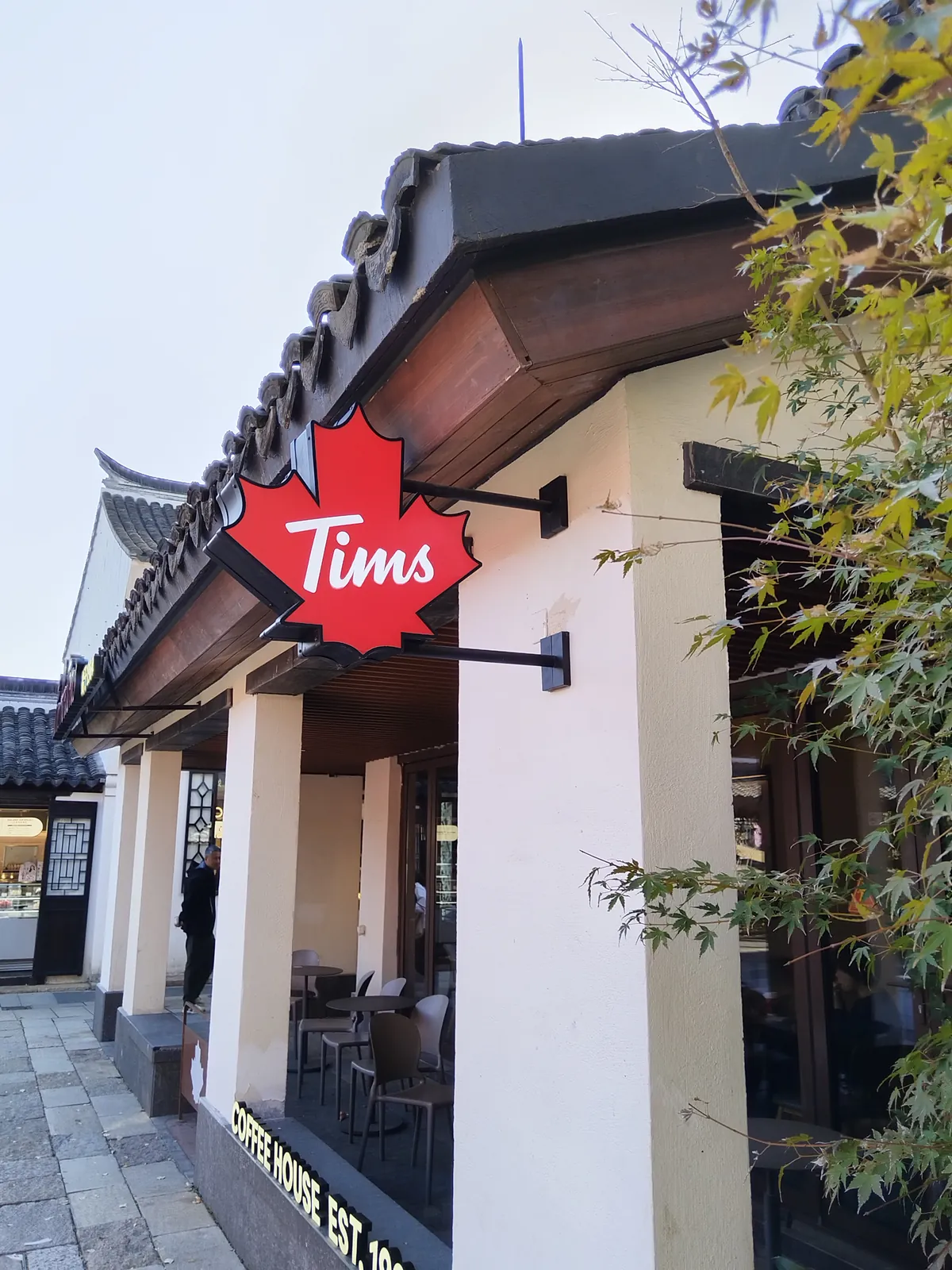
Panlong old town lies in Qingpu, on the western edge of Shanghai towards Hongqiao: a canal crossed by several single-arch stone bridges, cut-stone embankments and rows of willows, lanes of white walls, dark tiles and dark timber along the water with a small temple among them, and beyond that a commercial quarter that makes no attempt to look old. It is not a preserved old town: the site is real, the buildings are mostly this round of work, a reconstruction with a real old core.
What Panlong is: a water town remade on an old village site
It sits at the eastern end of Qingpu, closer to the Hongqiao side than to the centre. The site was a waterside village with a canal and an old bridge at its entrance; it declined and was cleared, and today’s quarter was planned and built on that land. The project is called Panlong Tiandi. Its earlier history and the phasing of the rebuild are told differently by different sources, so no years are given here; if the dates matter, check official material.
What is old, what is new, and how to tell them apart
The first layer is genuine old fabric, but only in fragments: the line of the canal, part of the embankment and some bridge structure, and a few retained walls and trees. Which pieces are original is barely explained on site, so you judge from the material and check the record.
The second layer is work rebuilt in the old forms: stone cut neatly, timbers of one size, paving joints almost identical, the age on the walls painted on, and the whole quarter out of one set of drawings.
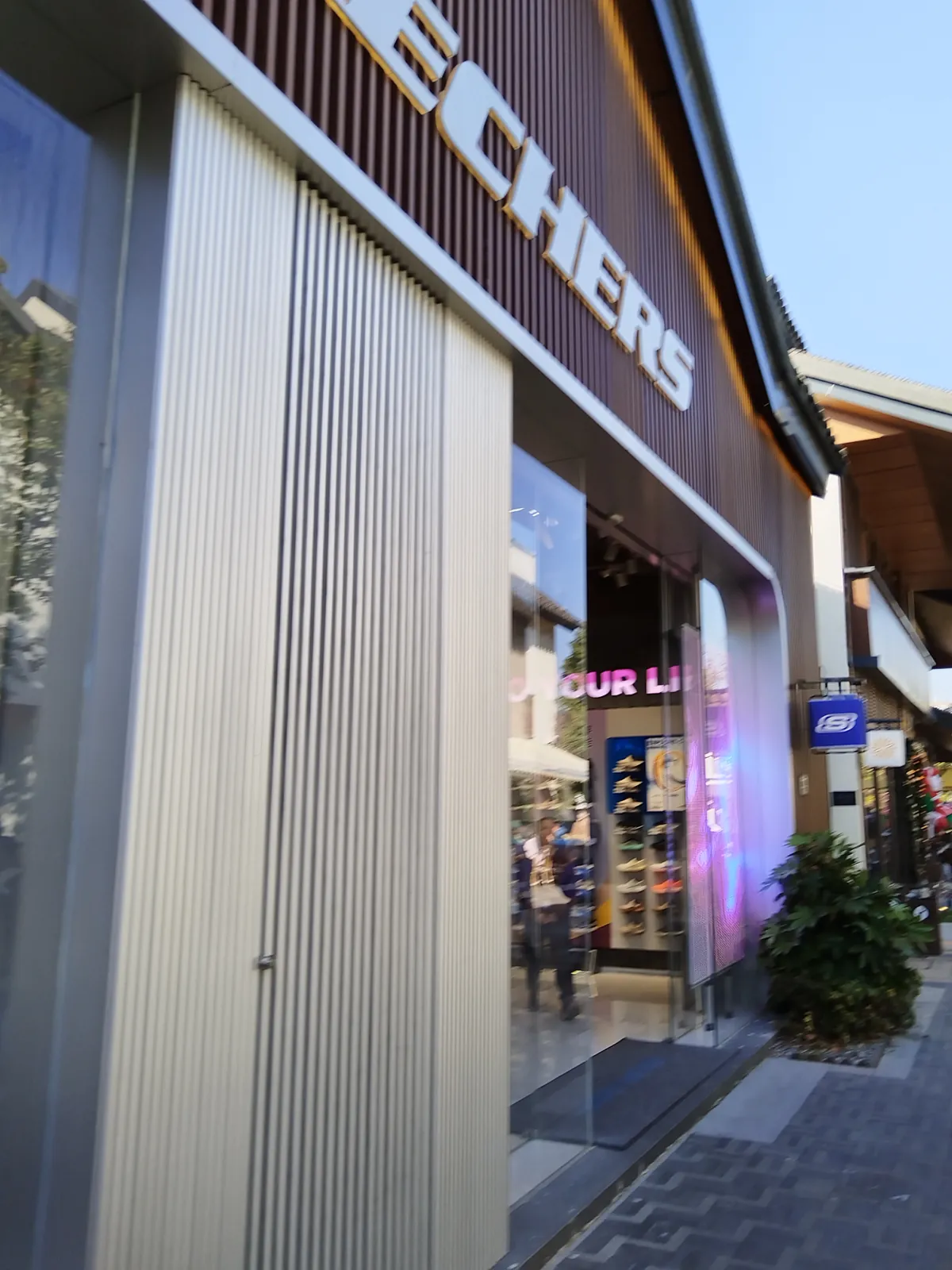
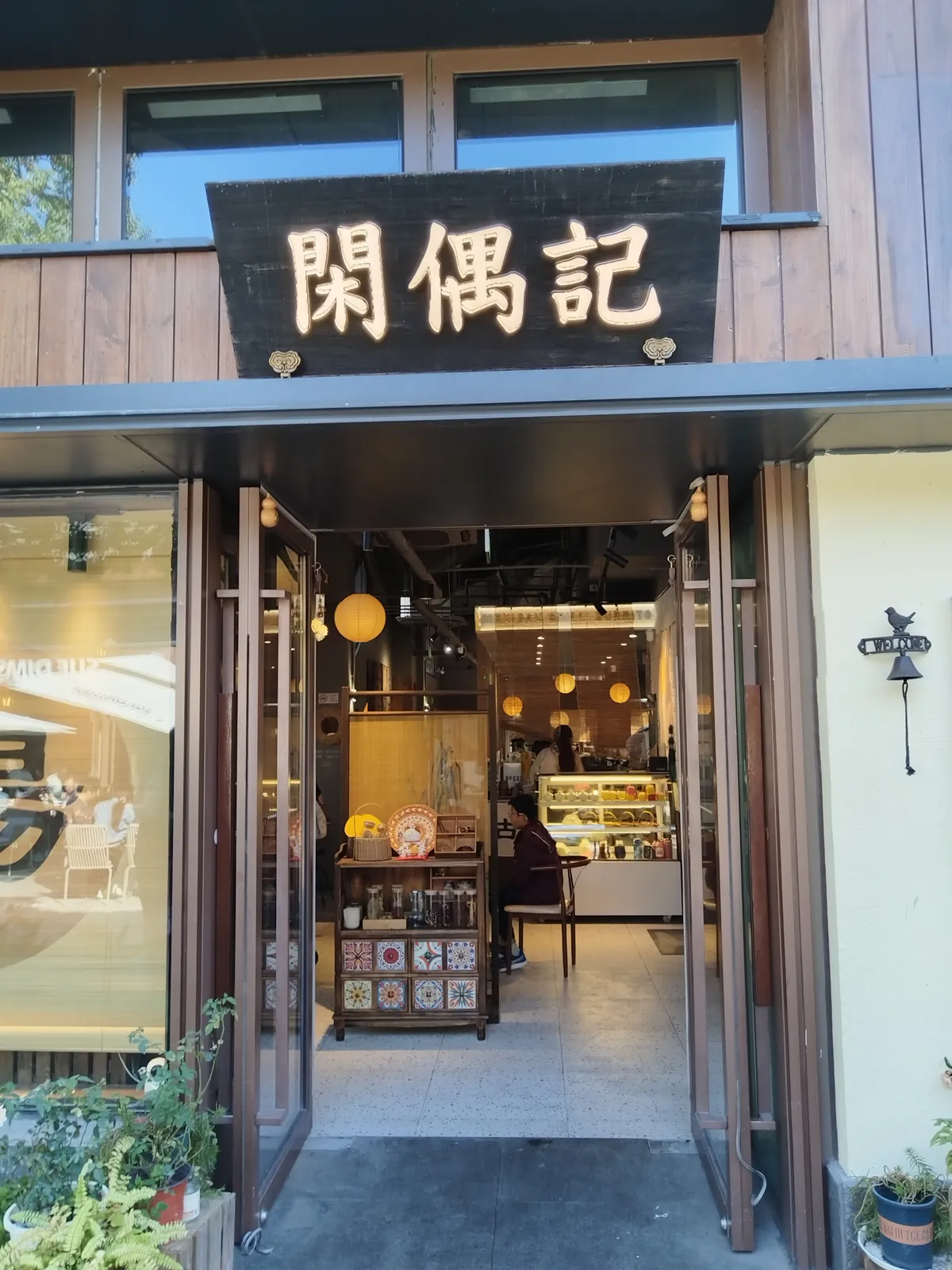
The third layer is entirely new commercial buildings dressed up to look old: period eaves joined to glass walls, light boxes and standardised shop signs, the layer most easily mistaken for restoration.
Telling them apart is not hard: look at whether material and wear are even, how old and new meet, and whether anyone actually lives on the street. The visitor who cannot tell the difference is exactly the audience this place was designed for, and that is no disaster; knowing costs you nothing either, because once you can see which stretch is surviving fabric and which is only backdrop, the good parts look better rather than worse.
What there is to do, and whether each part repays the time
The canal and the bridges: the best of it. The water is done properly, the embankments are neat, the arches and balustrades are convincing, and from a bridge the eye runs a long way along the canal and the willows. There are boats and a landing stage; whether they are running is for the day, and half an hour to an hour is the time to give it.
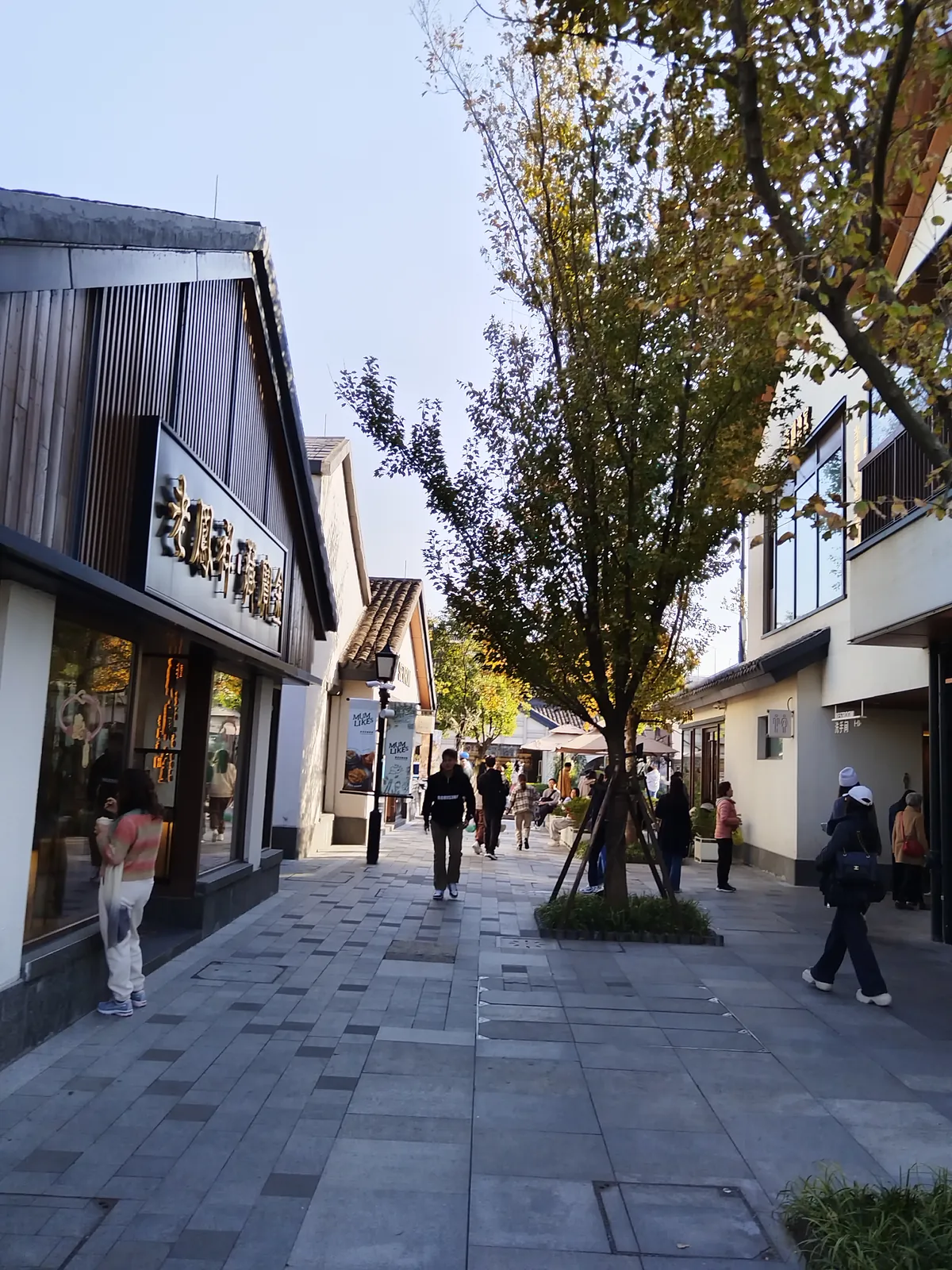
The lanes and the trees: worth it. Retained and newly planted trees alike have real scale and give shade through the day; the paving is lined with shopfronts, a market and places to sit, and an hour covers it.
The temple: worth a look in passing. There is a small temple on the site, very small, ten minutes around it; whether it is open is for the day, and the explanation of its dates is thin.
Food and drink: the most accomplished part here and worth a meal, with the pricing discussed in the last section.
The surrounding new quarter: it does not pretend to be old, so there is nothing to decode; convenient for eating and shopping. Anyone who came for an old town gets very little from it, and ten minutes on the way through is enough.
Against other water towns: the nearest, and the most rebuilt
More than one water town can be reached from central Shanghai. Panlong is the nearest and the most thoroughly rebuilt: near means a half day costs little, and thoroughly rebuilt means most of what you see is this round of work with the old fabric reduced to remnants.
That is the trade you have to accept: convenience in exchange for some authenticity. For a pleasant walk by the water, a meal in decent surroundings and half a day that does not leave Shanghai, the trade pays; for old bridges, old lanes and people still living among them, it does not. The comparison across the options, and what each is worth, is set out in the Panlong Tiandi review, and the Nanxiang old town guide treats another Shanghai old town.
Getting there, how long to allow, and when to come
The direction is west, towards Qingpu, close to Hongqiao. The rail line running towards Qingpu has a station in this area, Panlong Road in the review’s account, with a walk from the exit; a taxi or a car is more direct. This is not close to the centre, so do not leave the route until you are on the spot: confirm the line, the station, the exit, the walking time and the last train before setting out.
On time, the quarter is small: a slow walk, a meal and a turn through the market take three to four hours, one stop in half a day, and there is no need to give it a whole day.
When: a weekday afternoon is most comfortable. Weekends and holidays are busiest from early afternoon into the evening, with a second peak when the lights come on; to see it by day and by night, come after three and stay until the lights are on.
Pairing: the natural direction is the Hongqiao side, with the transport hub and the exhibition halls in the same direction, so a hotel on the western side or towards Hongqiao combines most easily into an afternoon and an early dinner; there are other places further west in Qingpu, but two in half a day means rushing both.
Eating, who should come, and who should skip it
Eating: worth a meal, but do the sums. This is a rebuilt commercial quarter, and the food is priced for the location rather than for the cooking: part of what you pay is the seat by the water and the view. As a meal in pleasant surroundings it satisfies; as somewhere to come specifically for the food, the value is ordinary.
Who it suits: families with children, since it is flat, with water, boats and shade; photographers and couples, for whom the canal, the willows and the evening lighting are the surest part; and anyone who wants an easy half day without leaving the municipality, for whom this is the least trouble.
Who should skip it: anyone with only two or three days in Shanghai and a full schedule; anyone who wants an undiluted old town with residents going about their day, who should spend the half day where a real old core survives; and anyone who dislikes faux-antique commercial streets.
How to decide: ask three questions. Do you want what is old, in which case the fabric here will not carry the trip; how much time do you have, in which case half a day that does not leave Shanghai makes this the least trouble; and will you pay location prices for a walk by the water and a meal in pleasant surroundings. Two answers leaning towards convenience, come; one leaning towards authenticity, move the half day somewhere else. The verdict is in the review.
place.gallery
Photographs
Related reading
Etiquette
Nanxiang old town: the birthplace of xiaolongbao, and the town itself
Nanxiang, in Jiading, is one of the few towns on Shanghai's edge that still keeps a real old core: a pair of ancient brick pagodas, a temple and the classical garden Guyi Garden, all within walking distance. It is also where xiaolongbao come from, though the long queue on the old street measures fame. This guide covers what you actually see, how commercialised the street is, whether half a day is enough, how to get there, and what disappoints.
7 min read