What to see
Lu Xun Memorial Hall review: free, but worth a special trip?
The Lu Xun Memorial Hall and Lu Xun Park reviewed: the hall and the park are two different experiences with two different answers — the display is well made but built for Chinese readers, while the park is a working city park still in use.
Last updated5 min read
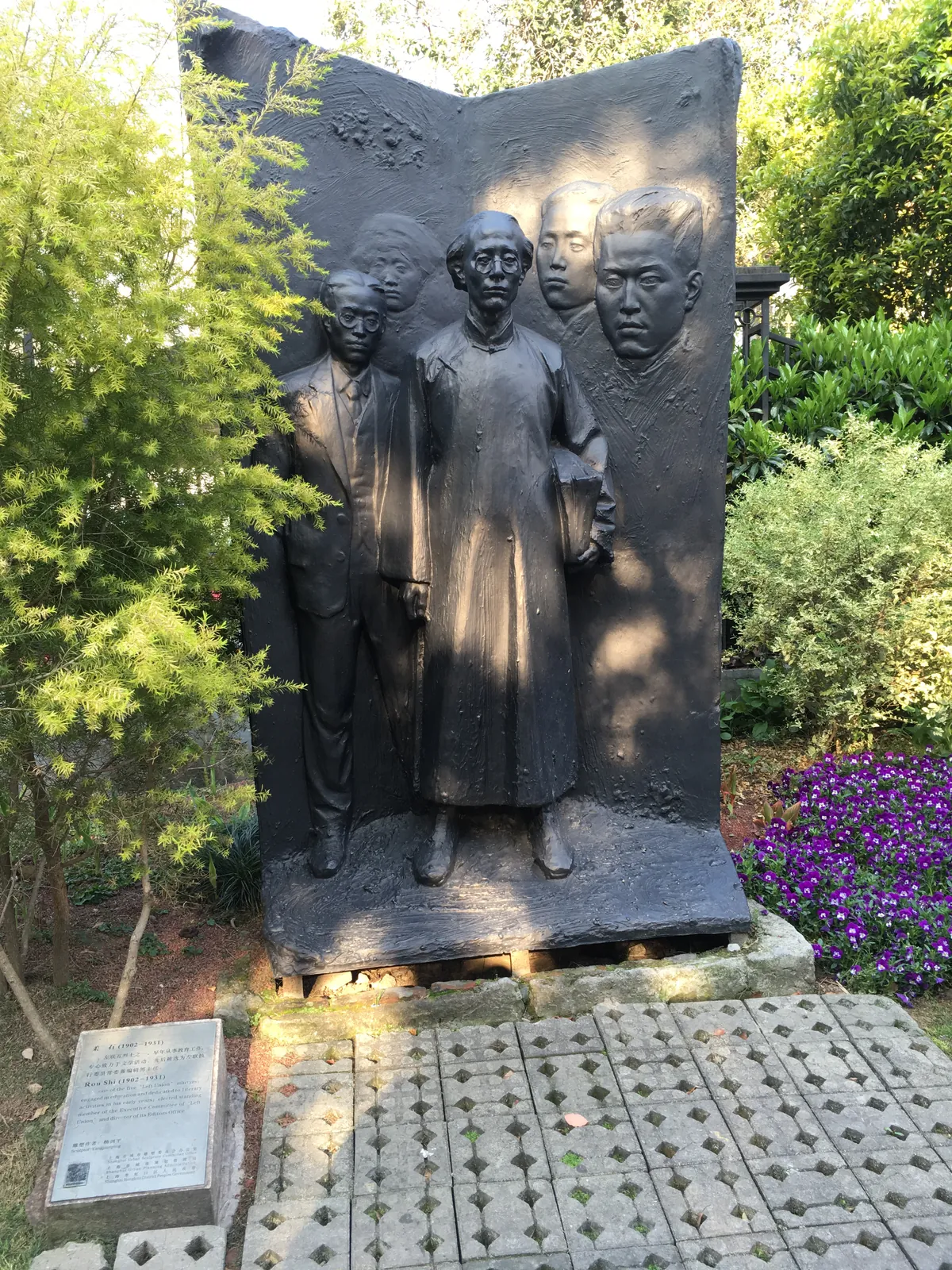
Lu Xun Park is in Hongkou, with the hall and his tomb inside. Planning the half day is the Lu Xun Park guide; this page judges only whether it is worth a special trip. Whether entry is free and whether booking is needed change, so check official information on the day.
The verdict: two places, two answers
The hall and the park share ground and a name but are two things, and one answer for both is where reviews err. One is an argument about a man; the other, a place to spend a morning. The hall repays a trip if you are its intended reader; the park if you will give an hour to an ordinary park. The park is worth it; the hall depends on who you are.
Even if entry is free, free is not the same as worth it: it only converts the cost into a morning and a cross-city ride.
The hall: made for Chinese readers
The display is well made: clear chronology, real manuscripts, first editions, photographs, personal effects. The problem is what it is, not how it is done — a memorial display, not a critical biography: it tells you what to conclude, not to judge.
The barrier is language and background: the text is almost all Chinese, the English caption-length, and it assumes the imperial examinations, May Fourth, the left-wing league, the war. Translation cannot fix that: what is missing is background, not words. His work is language — irony, classical mixed with vernacular — and translation leaves only the meaning.
What does a reader of no Chinese get? The space, the objects and the outline of a life — a man who kept getting into trouble for what he wrote — but not the argument: the room, not the case.
Can the building and objects carry the trip alone? No: the hall is modest, its architecture a nod to Shaoxing houses, not a masterpiece, and the objects alone take an hour. It works only with the park and the streets.
Who it works for: anyone who reads Chinese and knows a little modern literature or republican-era history, for whom the trip pays; anyone with no Chinese should read one story first, and the cases mean something. Anyone wanting a major museum need not come.
The park: if it had another name
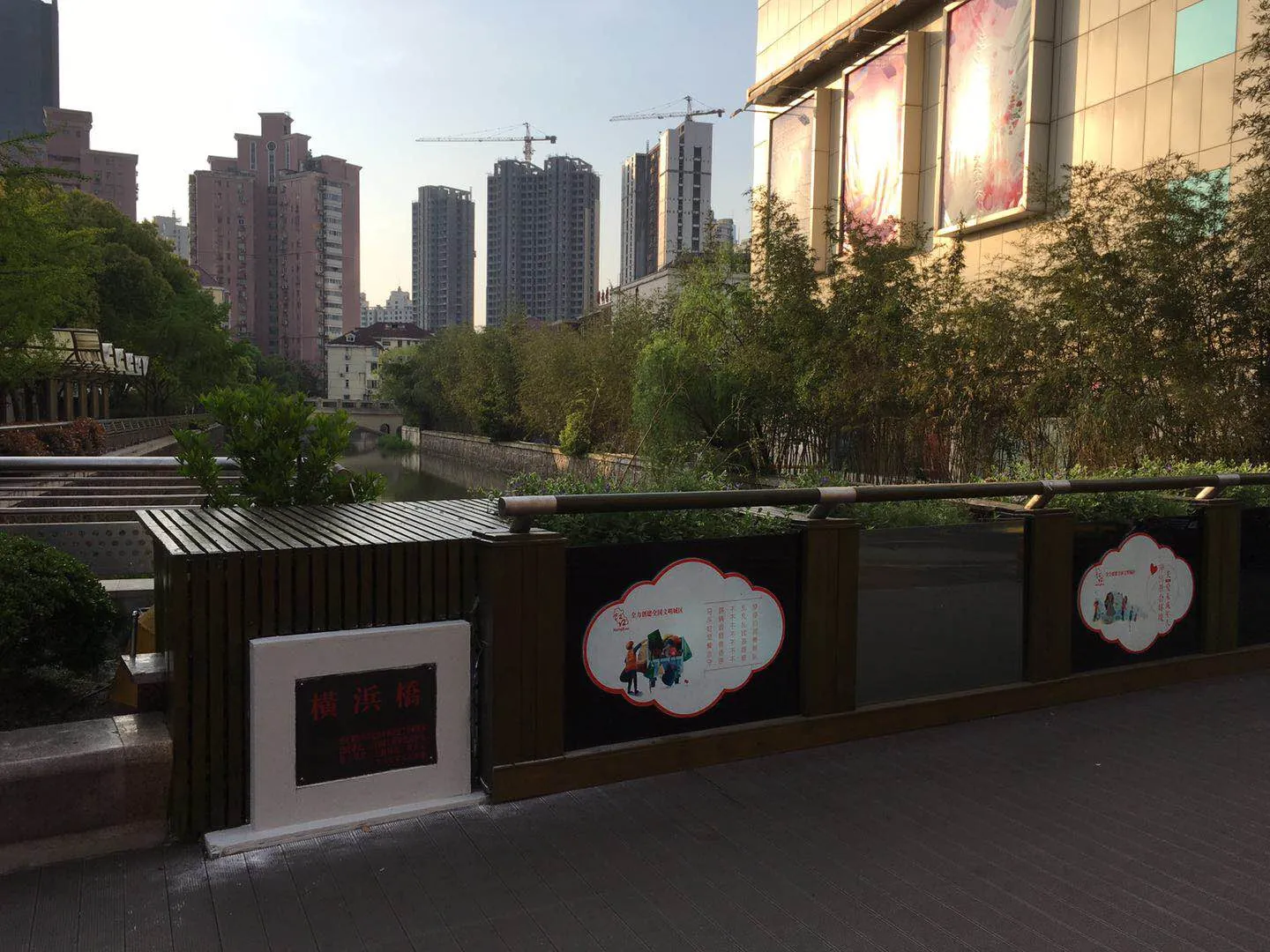
The second mistake is judging it as a monument, not a park. A municipal park: dense trees, a narrow water channel, lawns, walkways, a children’s area, bridges, no visitor route, any gate. The tomb takes ten minutes.
From first light until work starts it is busiest — tai chi, fan dancing, choirs, chess and cards — a social institution, not a sight. Midday to early afternoon is flat: shade, benches, people asleep, a good park, not the morning you were told about. Evening brings children and walkers; to see it properly, come early.
Were it not named after Lu Xun, would you come? Yes, but for another reason: a cross-city trip for a well-used park does not pay on most itineraries; one for a space still in use does, the one thing here independent of the name. No garden; do not measure it against Suzhou.
The surroundings: a real addition, and oversold
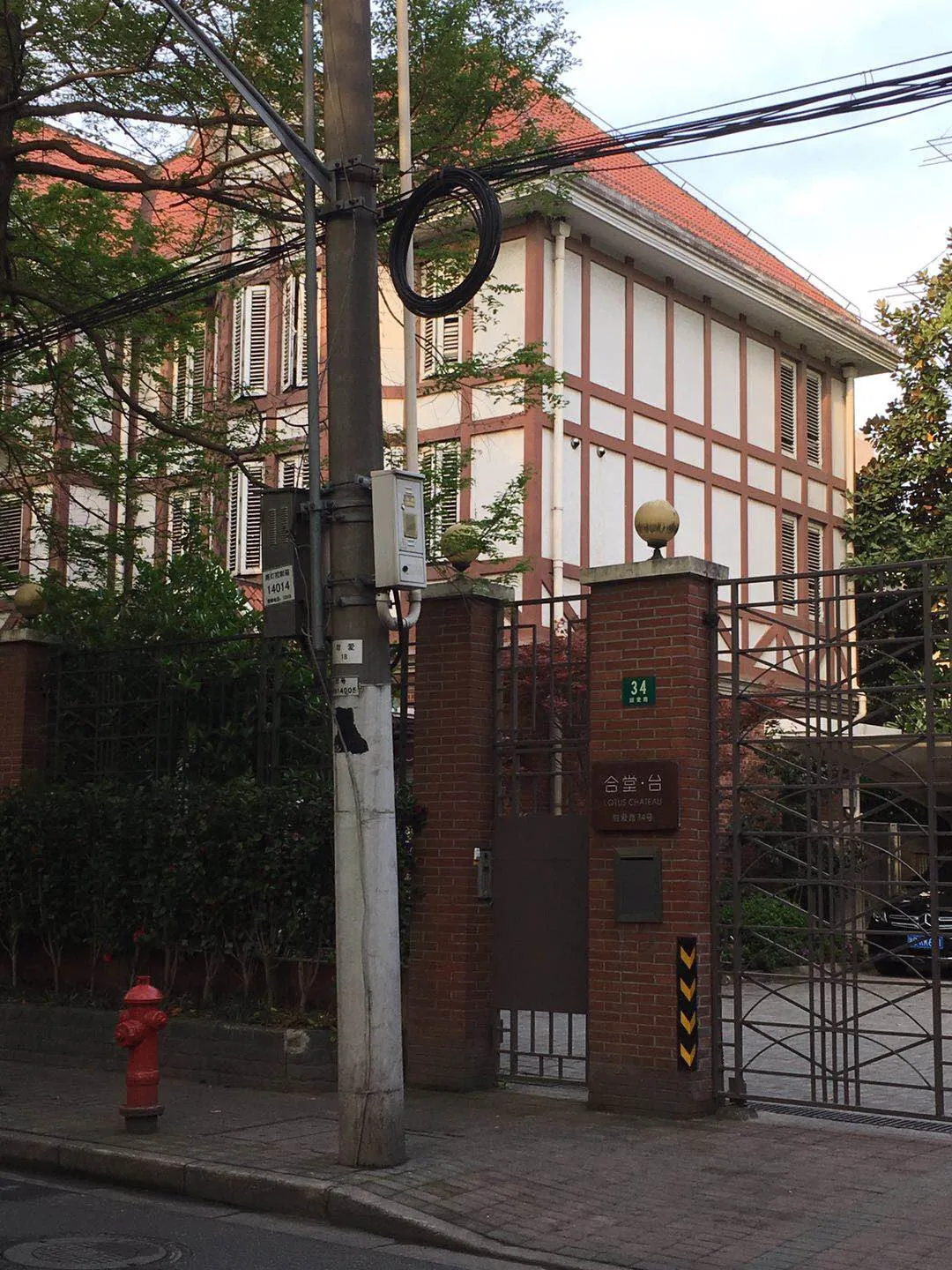
Half in each. What adds is the walking: the plane trees and lane houses of Shanyin Road and Tian’ai Road are the best stretch, unticketed and uninterpreted; the writers’ league museum on Duolun Road is small and honest; the Uchiyama Bookstore site is one wall.
Oversold is the phrase literary map: it promises a district to wander and feel the 1930s in, when most sites are plaques on walls, houses cannot be entered, villas are exteriors, Duolun Road, redeveloped in the 1990s, is short, half commercial.
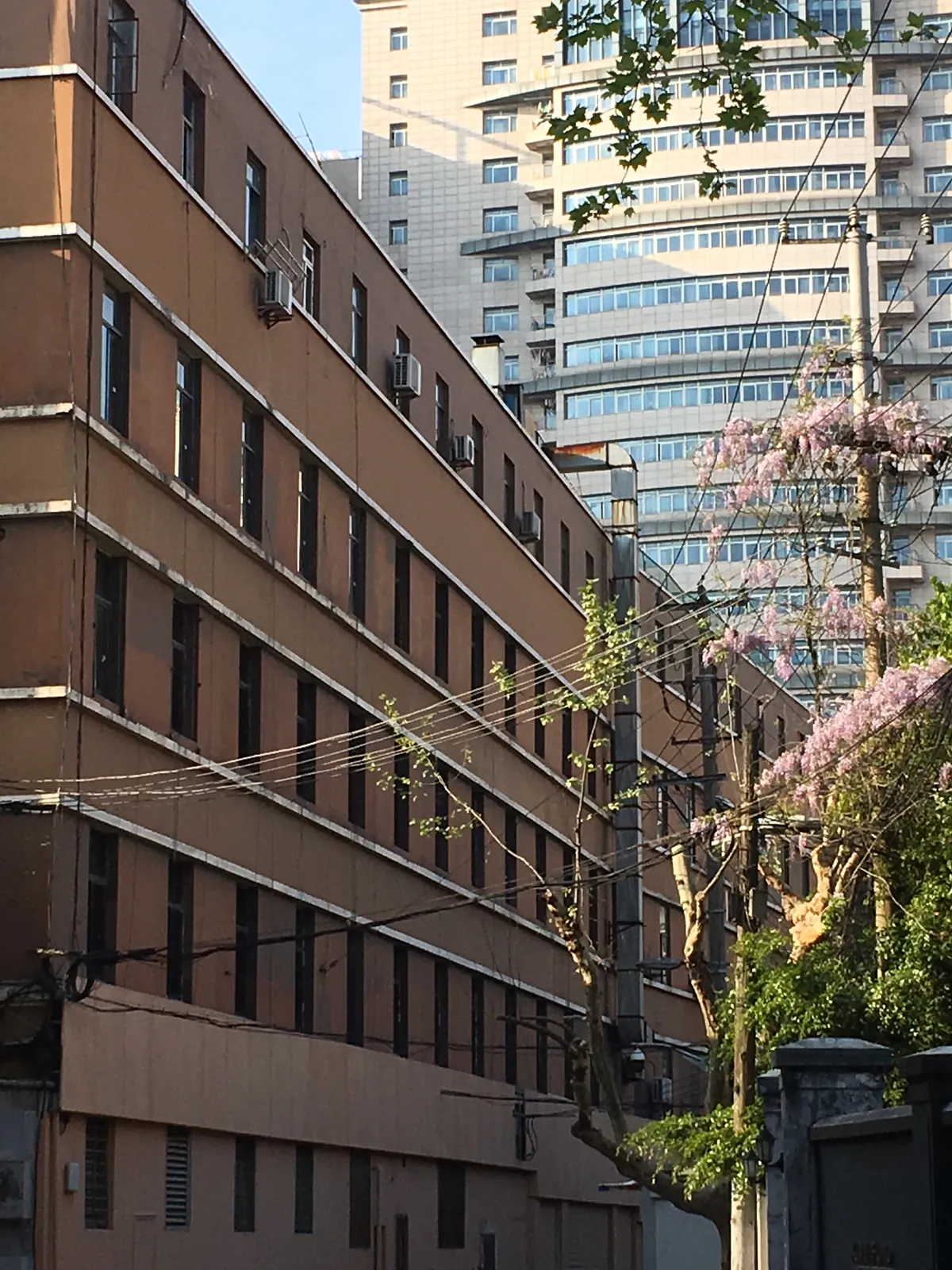
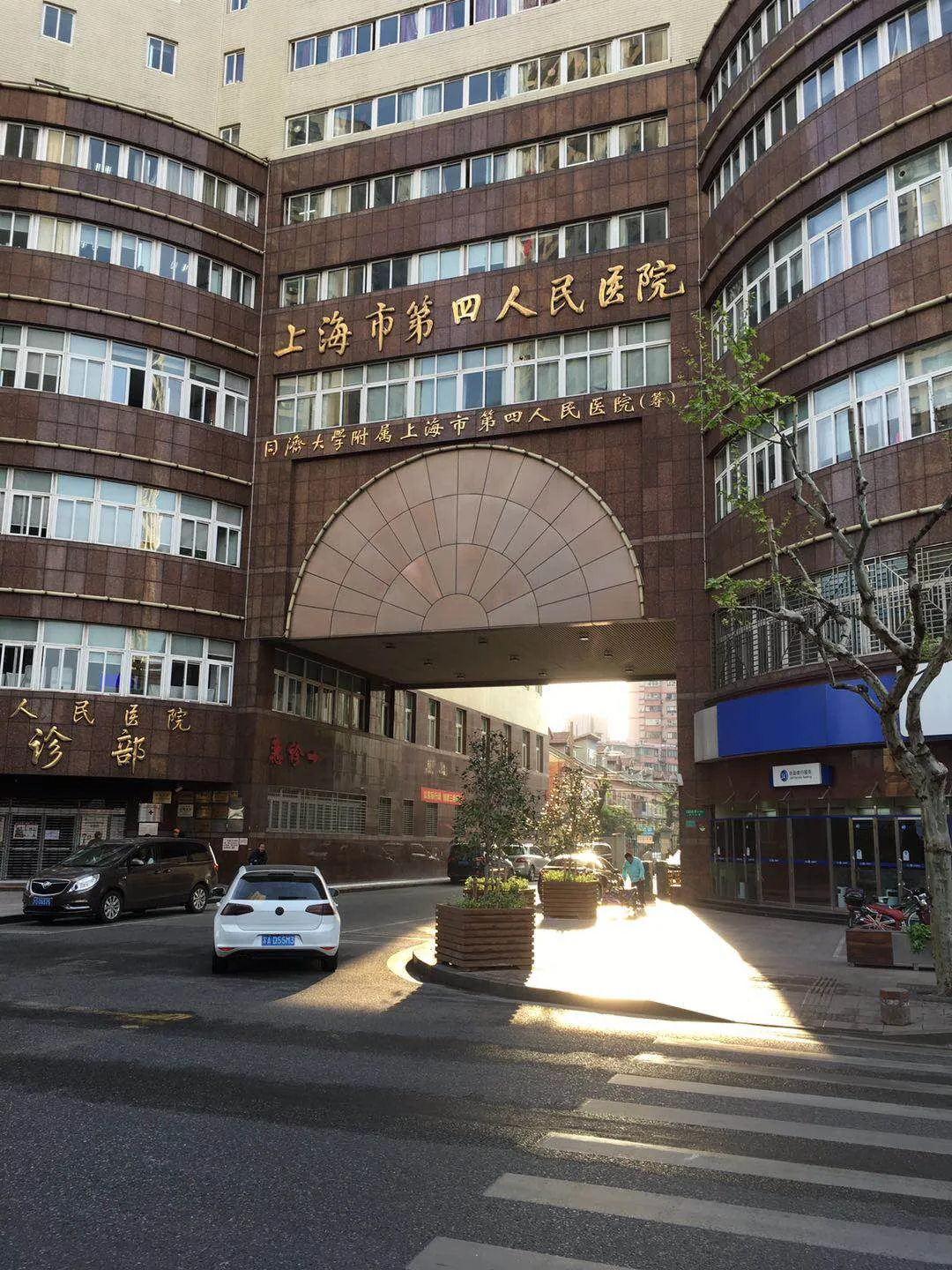
Plainly: Hongkou is not a heritage quarter but a working district — a hospital entrance, food shopping, delivery riders, hoarding. Not a defect: it is why the early-morning park works. But the atmosphere will not hand itself to you.
Does half a day fill up, and who should come or skip it
Fixed content: the park, forty-five minutes to an hour; the hall, an hour to ninety minutes (forty without Chinese); the tomb, ten minutes; ten minutes’ walk to Duolun Road; thirty to forty-five minutes on Shanyin Road. Two to three hours in total: half a day holds it, not tightly. For the rest: eat on North Sichuan Road, walk Shanyin and Tian’ai Roads, add the writers’ league museum; with legs left, 1933 Laochangfang or Tilanqiao.
Who should come: readers of modern Chinese literature; anyone interested in modern history who accepts most sites are a plaque and nothing more; and, separately, anyone wanting an ordinary Shanghai morning in Hongkou.
Who should skip it: anyone hoping for a major museum; anyone who reads no Chinese and has no interest in Lu Xun, left with an ordinary park and Chinese wall text; anyone here for architecture or gardens; anyone with two or three days and a headline list; anyone who dislikes walking.
Is free the point, or a coincidence? A coincidence: it follows from how such memorials are run, not from a design to attract visitors. The park repays a special trip early in the morning, the hall for a reader of Chinese; together, half a day for most people in between. If the only reason to go is that it costs nothing, spend the half day elsewhere.
Photographs