What to see
Yu Garden review: is it worth buying a ticket?
A review of the walled, ticketed Ming-dynasty garden itself: what is actually inside, for whom the ticket pays off, who should stay in the free bazaar, and why the crowds within the walls decide the visit.
Last updated5 min read
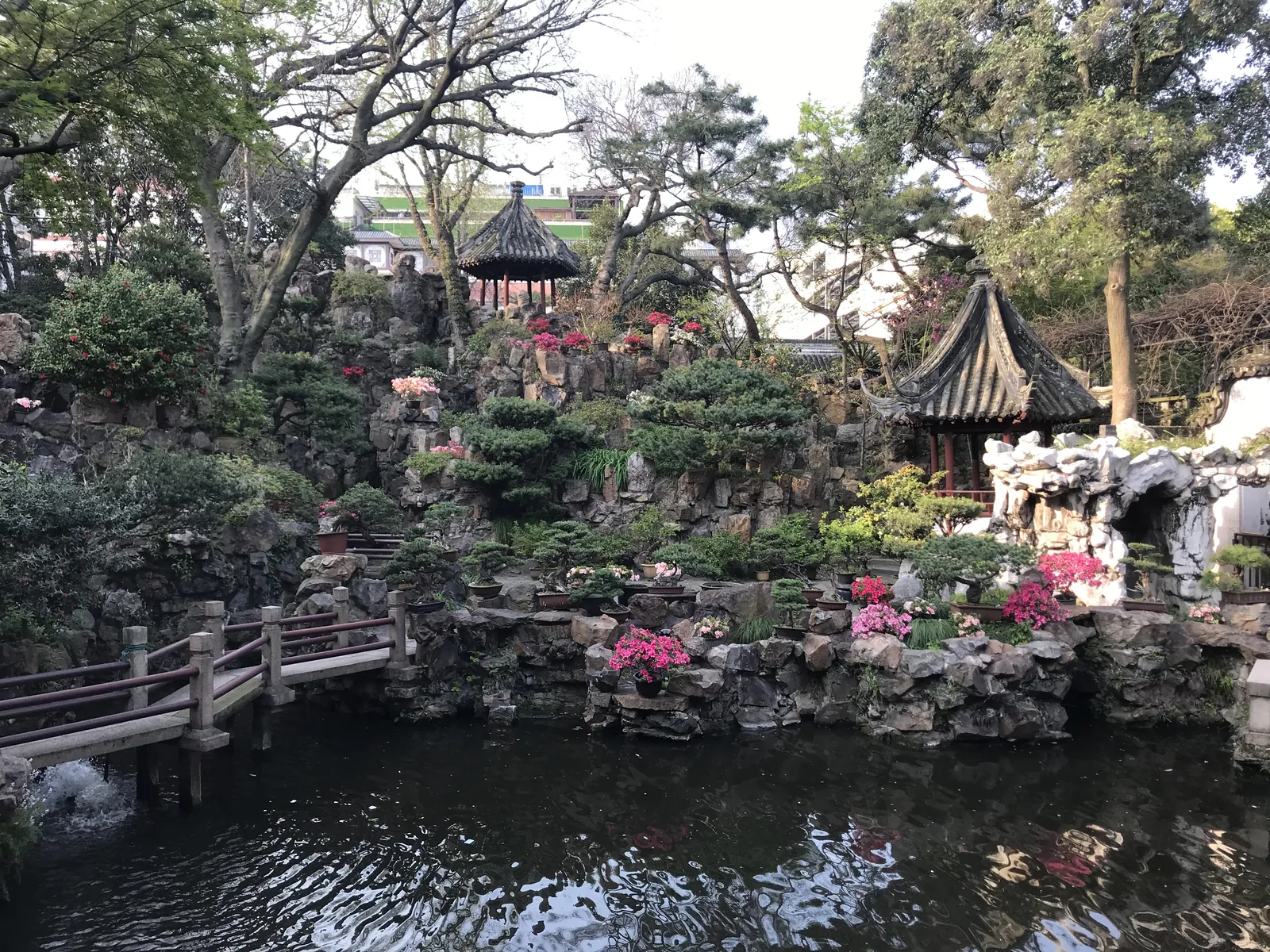
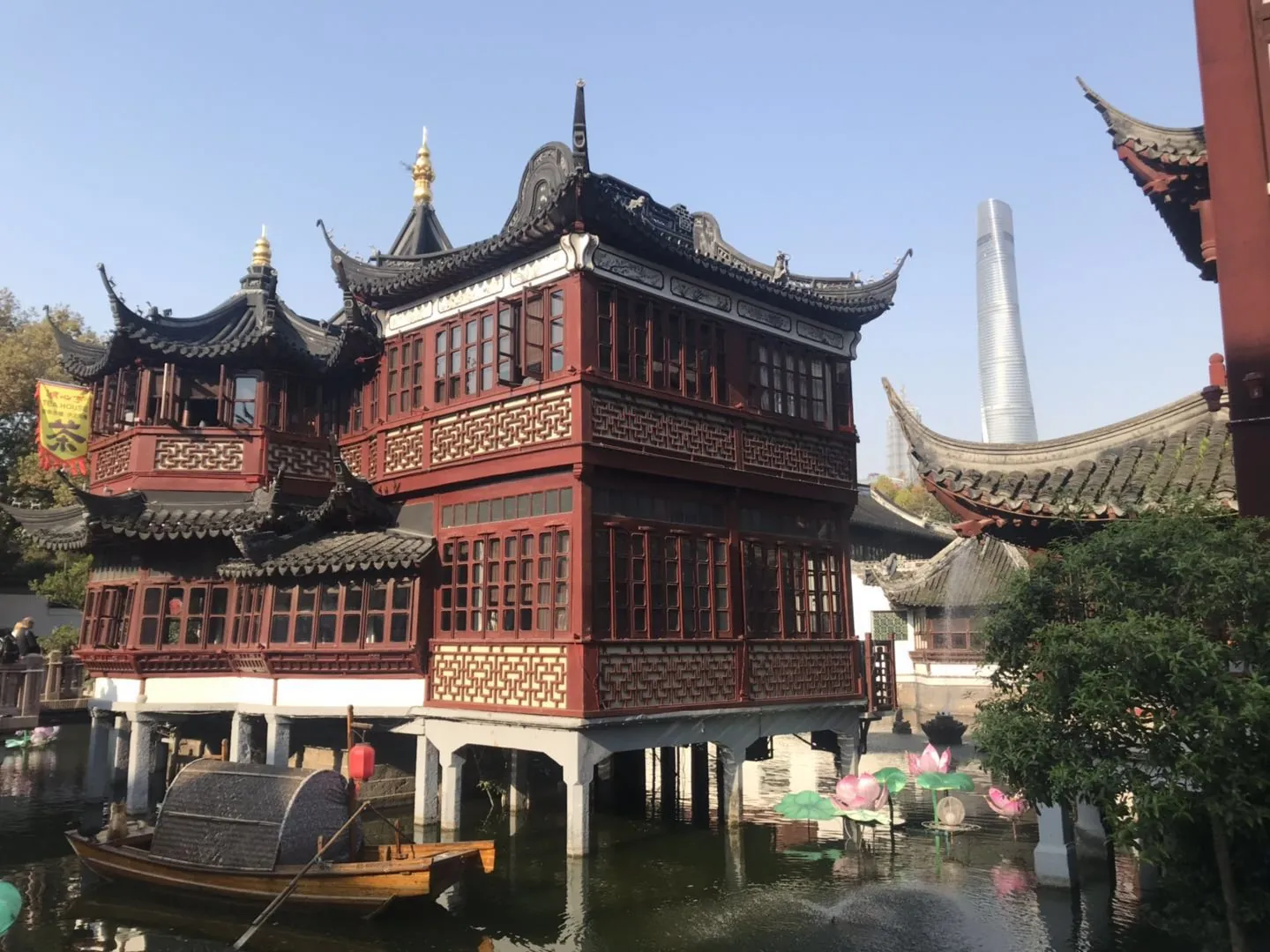
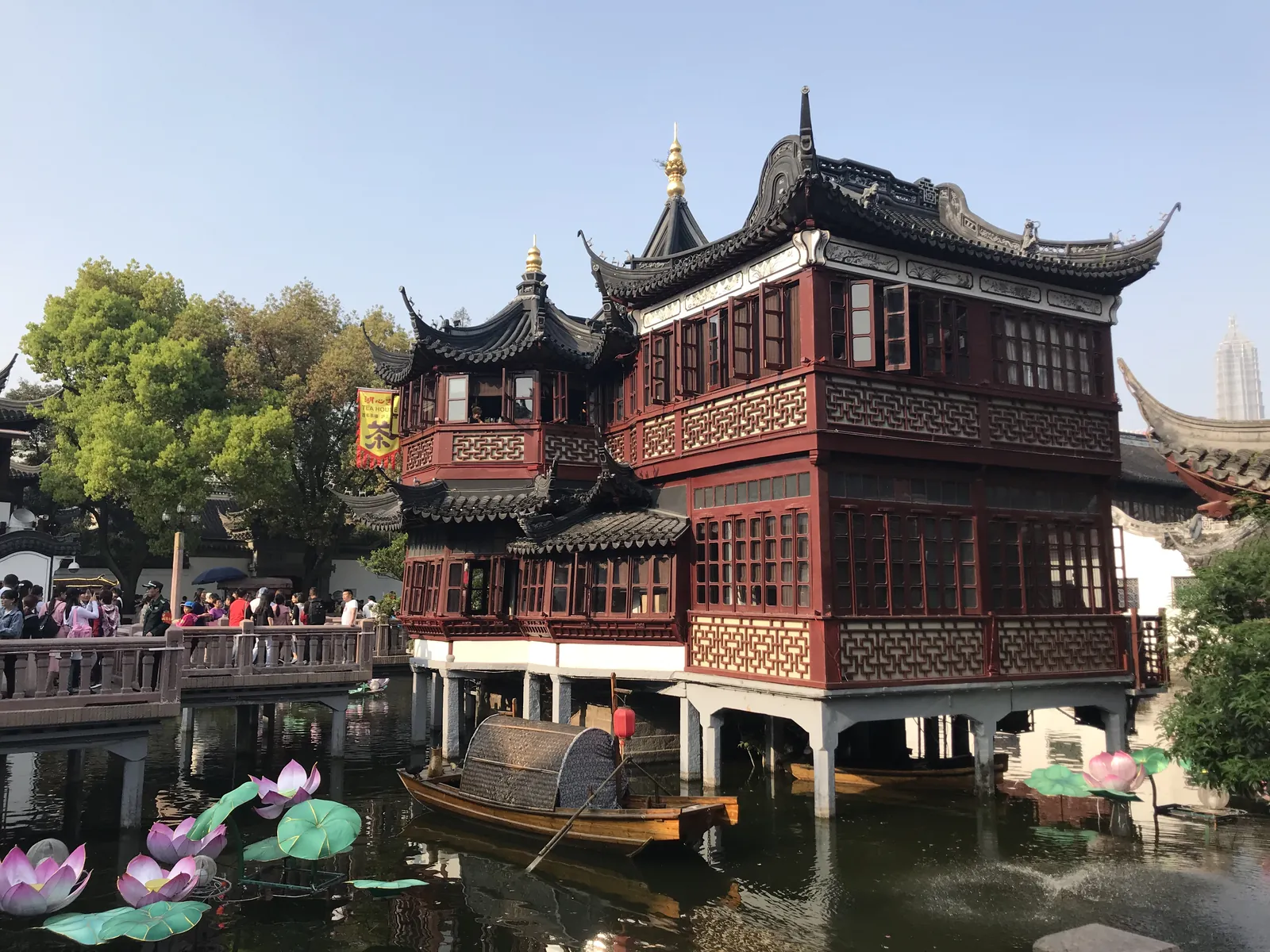
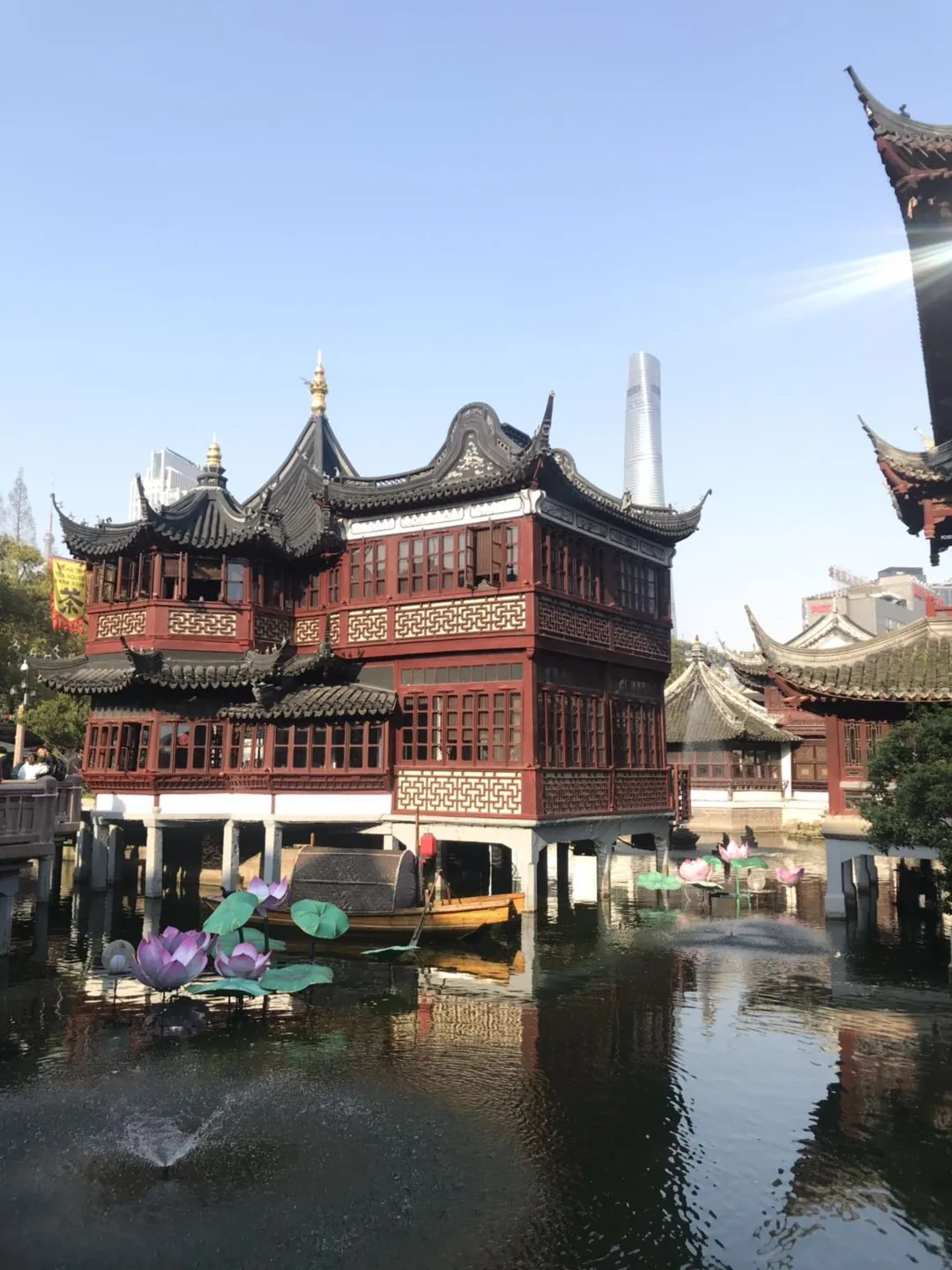
Start with the name. Yu Garden means the walled Ming-dynasty garden you pay to enter, and also the free bazaar outside it. This review is only about the first, and the photograph nearly everyone takes is taken outside the wall. For the separation of the two, see Yu Garden and the old city.
What is actually inside the walls
Inside the gate is a run of tight, connected spaces: Taihu-limestone rockery, a winding pond edge, covered walkways hugging the walls, halls and small courtyards, and the named stone, the Exquisite Jade Rock. It is a sixteenth-century estate, laid out by Pan Yunduan for his father and repaired many times since; today’s layout is largely twentieth-century restoration. Its skill is compressing landscape into a very small area, with a turn at every step and walkways that aim your eye where it should go. The price is that you are always inside somebody else’s line of sight.
Is the ticket worth it?
The conclusion first: a real garden, but small, and the circuit takes well under two hours.
The cases for paying. Garden-making, rockery construction and carved detail interest you, and you will come early or late to see them properly. You want to know how the inside differs from the bazaar. A spare hour is no waste at all.
The cases against. What you want is the photograph of the pavilions over water, which is outside, free, and better taken there. The old city is a shopping-and-snacking stop for you, and the garden would take your freshest hour. You have children who need room to run. Suzhou is on your route.
Tickets are priced by peak and off-peak season, and at peaks the garden normally limits numbers and sells by timed slot; the rules change yearly, so confirm the day’s arrangements through official channels. No figure is given here. What is lit at night is the bazaar, not the garden.
The crowd problem inside the walls
Crowding is the single biggest factor in how the visit goes, ahead of season and weather. This was a private garden built for a handful of people, with narrow passages and many turns, and a single tour group exceeds its capacity.
The jams are predictable: between the gate and the rockery, in front of the named stone, on the narrow paths up the rockery, and at the tight corners of the walkways. A group stops without warning to begin its commentary; someone stands mid-passage for a photograph.
There are only two good windows: the stretch right after opening, quietest, and the final hour before closing, best lit. Weekends, public holidays, the first week of October and the days around Lunar New Year are not worth attempting. In light rain it is nearly empty, at the cost of slippery stone.
The specific things worth looking at
The rockery is the main event and the hardest part to read. It is built up from Taihu limestone, with caves, paths and changes of level, and you can climb it and turn to look back at the pond and the halls opposite: from below a heap of stone, from inside a designed route.
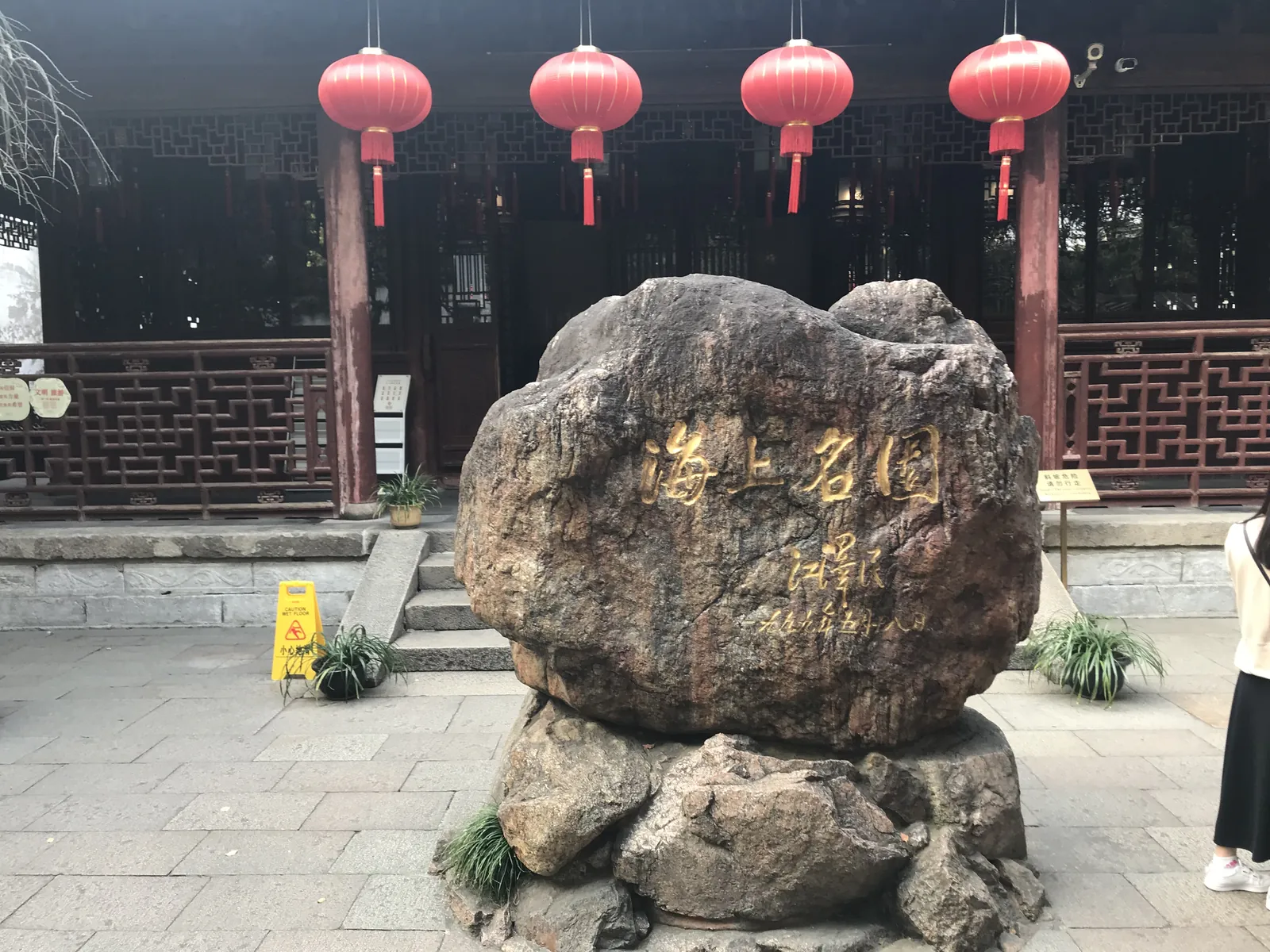
The Exquisite Jade Rock: a substantial piece of Taihu limestone known for its perforations and its form, judged by the classical standards, leanness, wrinkled texture, openness and permeability, not by what it resembles. The ground in front of it is where a queue most often forms.
The dragon walls are the garden’s most recognisable, their ridge tiles built up into an undulating dragon’s spine. They are part of the garden’s craft rather than exhibits on their own.
Give what is left to the pond edge, the walkways and the courtyards: carved brick, carved timber, lattice windows and paving are all within reach, which is the advantage of a small area.
Who should go in, and who should stay outside
Who should buy the ticket: anyone interested in gardens and architecture as such; anyone who will take the two windows; a returning visitor who wants to know how the inside differs; anyone with a loose itinerary who does not mind an hour in quiet. There is no guiding here, so what you see depends on your interest.
Who should stay outside: anyone who only wants the photograph of the pavilions over water, since the free area gives the better angle; anyone here to eat and shop, for whom the bazaar and the teahouse are the destination; anyone with children who need space to run; anyone sensitive to crowds who will not choose their hour; and anyone with Suzhou on the itinerary. Staying outside is no waste of time: the zigzag bridge, the teahouse and the old-city lanes fill half a day.
Where it sits against the alternatives. Within the city centre it is one of the few Ming literati gardens, and its advantage is convenience, a metro stop away. For quiet, Suzhou beats it on the number and completeness of its gardens. As old-city fabric, the surviving wall at Dajing Pavilion is not a rebuild, whereas the garden has been restored more than once. Its strength is position, not scale.
The verdict: Yu Garden is a real Ming literati garden rather than a mock-antique set. But it is small, two hours covers it, and whether the ticket is worth it depends on how many people are inside and on whether you came to look at a garden or to take one photograph.
Photographs