What to buy
Nanjing Road review: is it worth walking, and how to do it
A review that splits Nanjing Road into its two halves, covering what the pedestrian section actually holds, what is worth buying, which direction to walk, when it hurts most, and who should skip it.
Last updated5 min read
Nanjing Road Pedestrian Street
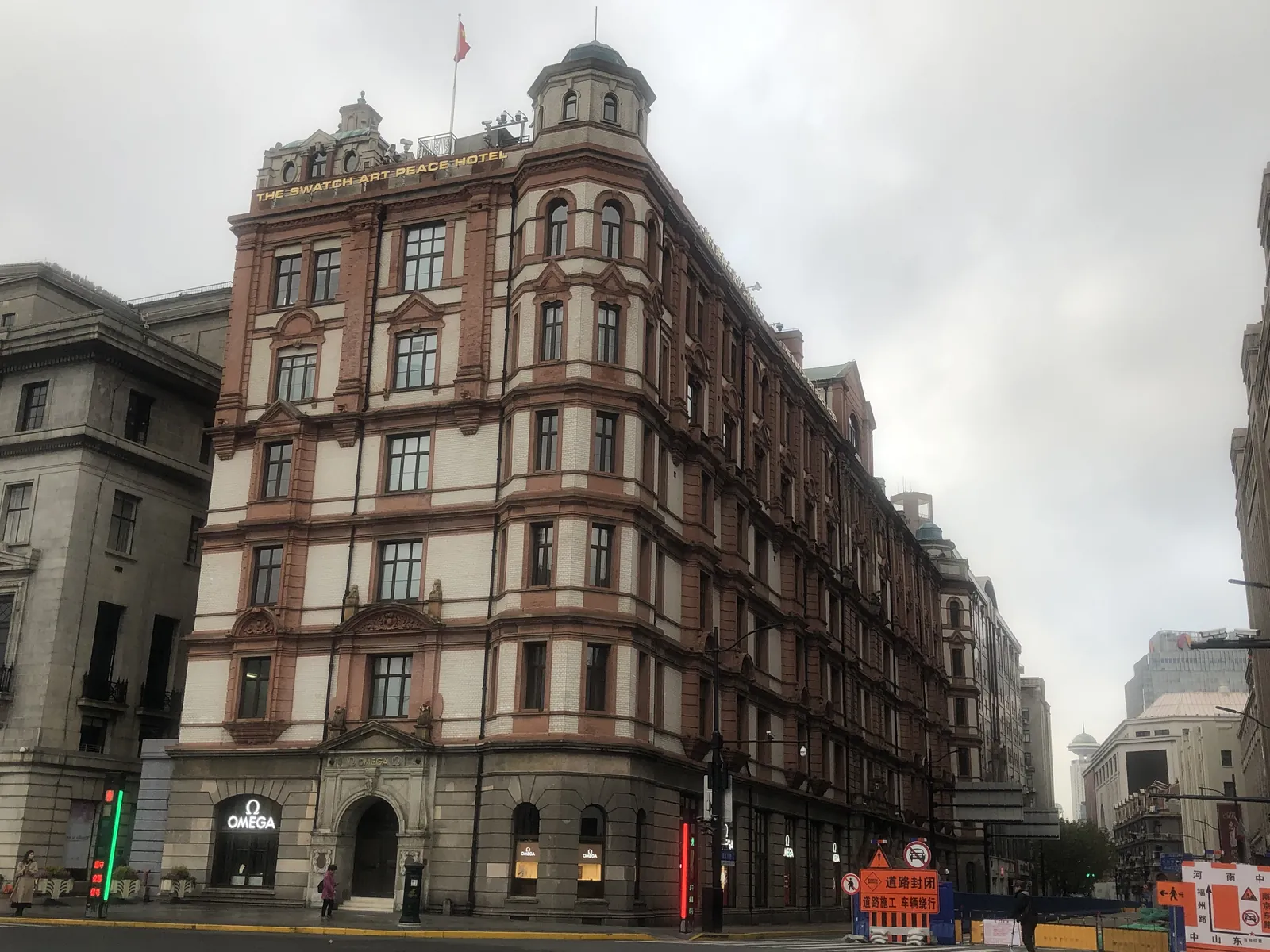
The conclusion first: Nanjing Road is worth one walk, and not worth half a day of its own. For that to mean anything, the road has to be split in two, because they are two different streets.
One road, two halves
The pedestrian street everyone means is the vehicle-free middle stretch of Nanjing East Road, with People’s Square at the western end and the Bund in the east. The road does not stop there. It runs on in both directions without the vehicle ban: an ordinary commercial road, and also the department stores local people buy from. Tourist photographs show those few hundred metres; the part Shanghai shops in day to day is outside it. As a route and a landmark the street works well; as a shopping destination it cannot live up to the name.
What is actually on the pedestrian stretch
It is not large: straight, wide, twenty minutes end to end, and apart from a few department store blocks left from the last century, both sides are ordinary commercial buildings. Those blocks are the one thing here that cannot be replicated.
Crowding defines it: a weekday morning to early afternoon is walkable, but from early evening, at weekends and on public holidays it is shoulder to shoulder. Heading east to the Bund, the crowd and the signs will not mislead you, though stopping mid-street for a photograph causes trouble.
The shop mix is fixed: chain brands, inexpensive clothing, cosmetics, phones and accessories, long-established names, snack counters and souvenir stalls. A large part of what is here is aimed at visitors, and the goods are not special for being here.
What is worth buying
Most of it you can buy elsewhere: mass-market clothing, everyday items, snacks, cheap small gifts. Malls and brand shops are fixed-price with no bargaining, and treating the street as a shopping destination is the commonest way to misuse it. Its real value is access: the walk from People’s Square to the Bund is free and straight, with People’s Park and the museum area nearby, and the metro station in the middle lets you leave at any point.
What repays going inside is the department stores’ food and household floors, the food halls and household goods especially. They trade with local customers anyway, and on a weekday they feel more like a local mall than the street does. What not to buy: anything sold as silk, pearl or jade, calligraphy and painting, and any item where you are pressed to pay on the spot.
How to walk it, and when
Direction matters: walk west to east, entering from the People’s Square side and leaving at the Bund. The advantage is the finish, since the eastern end is the Bund itself, where you can sit and look at the river, whereas walking the other way means pushing against the crowd and ending at People’s Square. The side streets are worth turning into once: a minute in and the crowd has gone, leaving offices, older housing and small places where local people eat.
A weekday from morning to early afternoon is the most comfortable stretch; the crowd builds from early evening, after dinner is the densest part of the day, weekends are clearly worse, and public holidays are not worth attempting. The lights are the real reason many people come, and after sunset the shop lighting and signage make the atmosphere far stronger than in daylight. But the illumination is an arrangement that gets adjusted, so confirm it on the day rather than planning around someone else’s experience; no schedule is given here.
The disappointments, and who should come
Touts are the worst of it: someone will offer a performance, tea, a massage or tailoring, and the answer is a flat no, without following anyone. Second, the souvenirs are identical from one end to the other, and a few shops are enough to show the ranges and prices barely differ. Third, prices follow the location, so the same snacks and drinks cost more here than a street or two away. Fourth, and most fundamental: the street is crowded rather than interesting, and what is lively about it is commercial footfall rather than content.
Who should come is specific: anyone in Shanghai for the first time, since seeing it once and deciding whether to return beats someone else’s verdict; anyone using it as a route to the Bund; anyone here for department stores; and families in the evening, for whom the atmosphere is enough. Who can skip it is just as specific: anyone who dislikes crowds, since even its best hours are not quiet; anyone with only two or three days, whose time is better given to the Bund, Yu Garden or Wukang Road; anyone looking for old Shanghai, since there are facades here but no neighbourhood; and anyone treating shopping as the main purpose, who should go to the Nanjing Road West stretch instead.
To get the same thing without the crowd: from People’s Square walk east along the Fuzhou Road stretch first and then turn towards the river to reach the Bund with half the people; or walk only the Bund promenade and go west to the Jing’an Temple area for anything you actually intend to buy. The street is free, and if you are passing, crossing it, looking up at the old buildings and getting out again is half an hour to an hour.