Etiquette
Columbia Circle and Tonglefang: two routes through Shanghai's converted factory sites
Columbia Circle and Tonglefang are two versions of the same Shanghai story: a country club and research institute turned low-rise garden campus, and a lane of small workshops turned small creative quarter. What each one is, how their characters differ, what there is to do, how to join them in an afternoon and an evening, and which expectations will not survive the visit.
Last updated7 min read
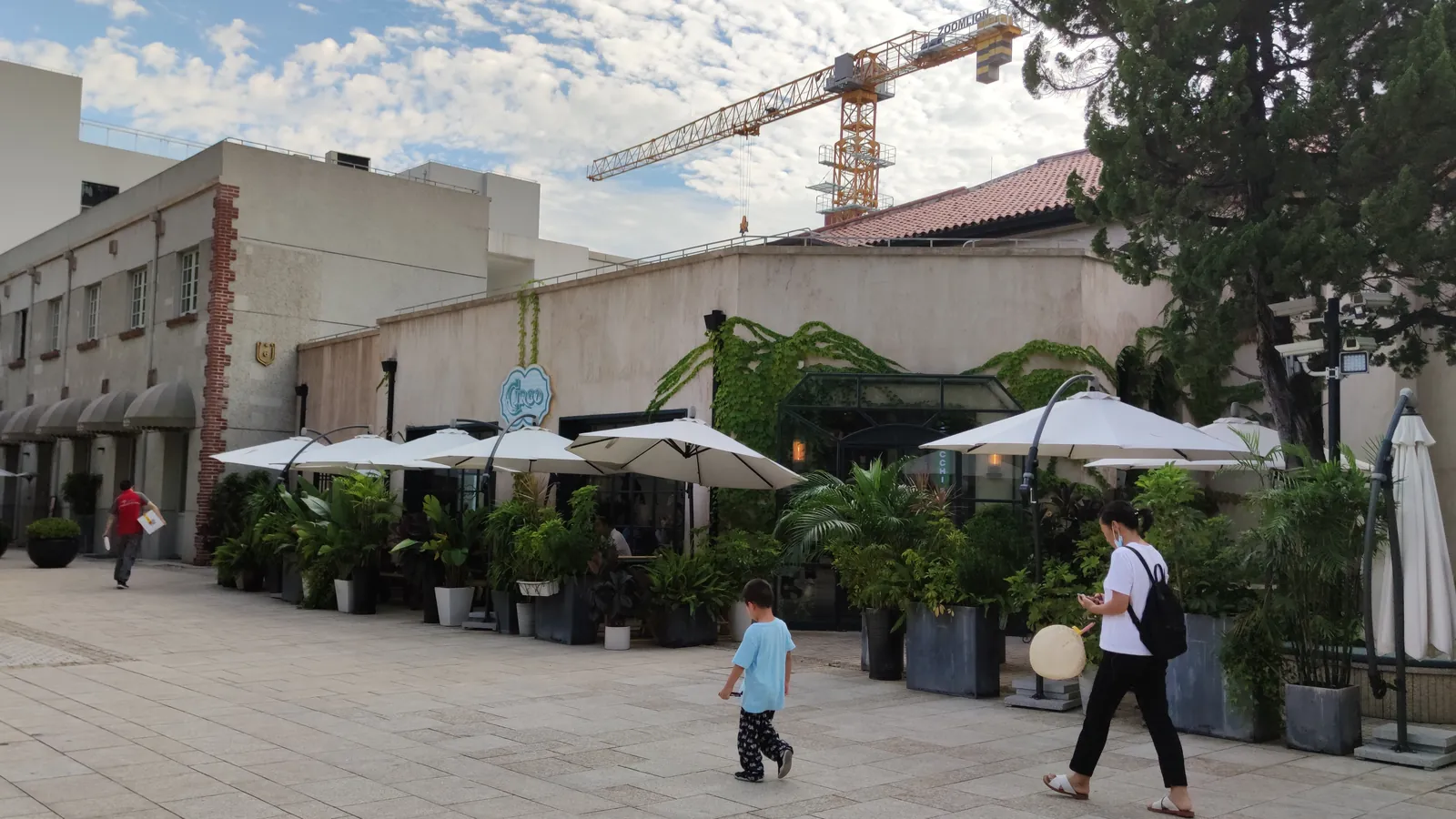
Shanghai has been turning old factory ground into cultural and commercial space for years, and Columbia Circle and Tonglefang are usually mentioned together. They are two different routes: one was a country club for expatriate Americans and later a closed research and production compound, now a low-rise garden campus; the other was a lane quarter packed with small workshops, now a very small creative quarter. Neither is a conventional sightseeing attraction.
Columbia Circle: from country club to research institute to open campus
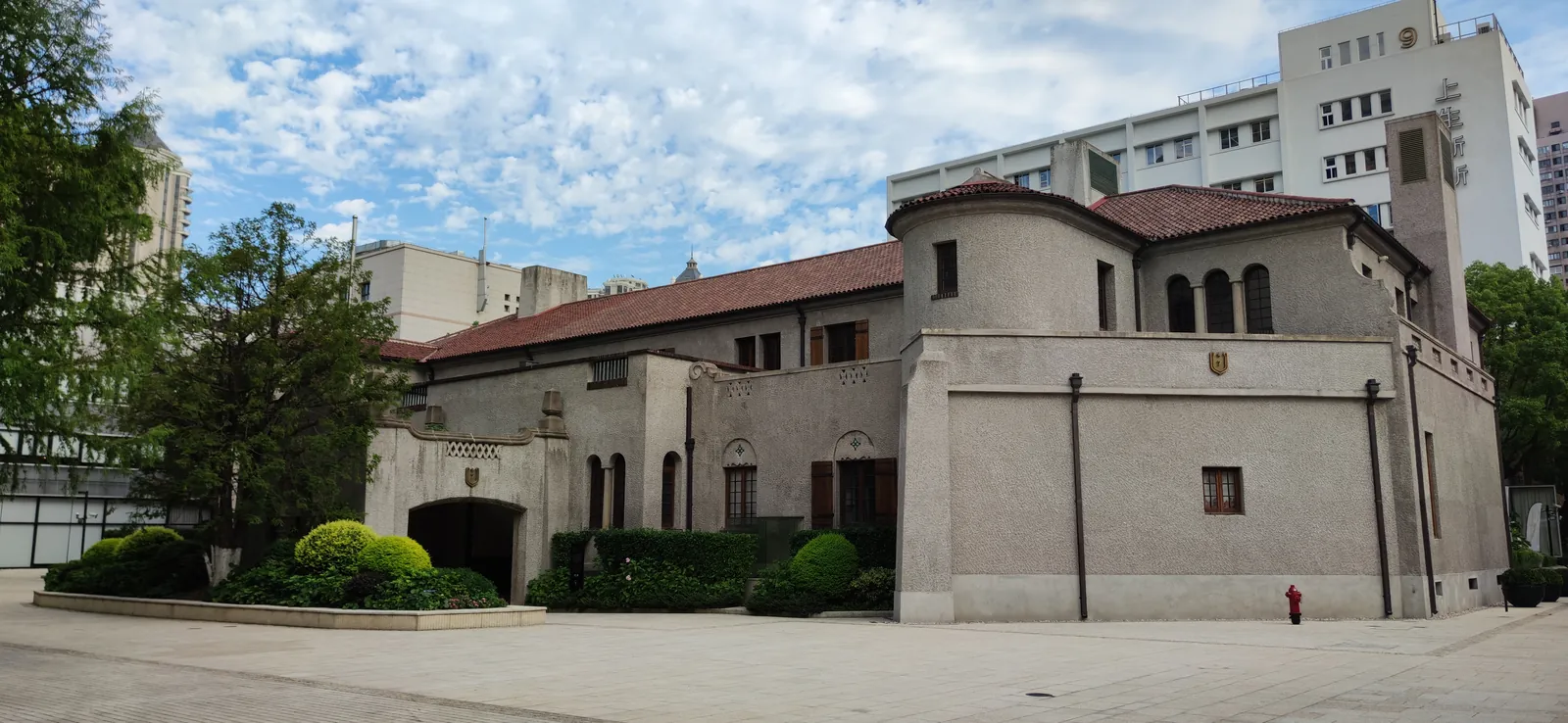
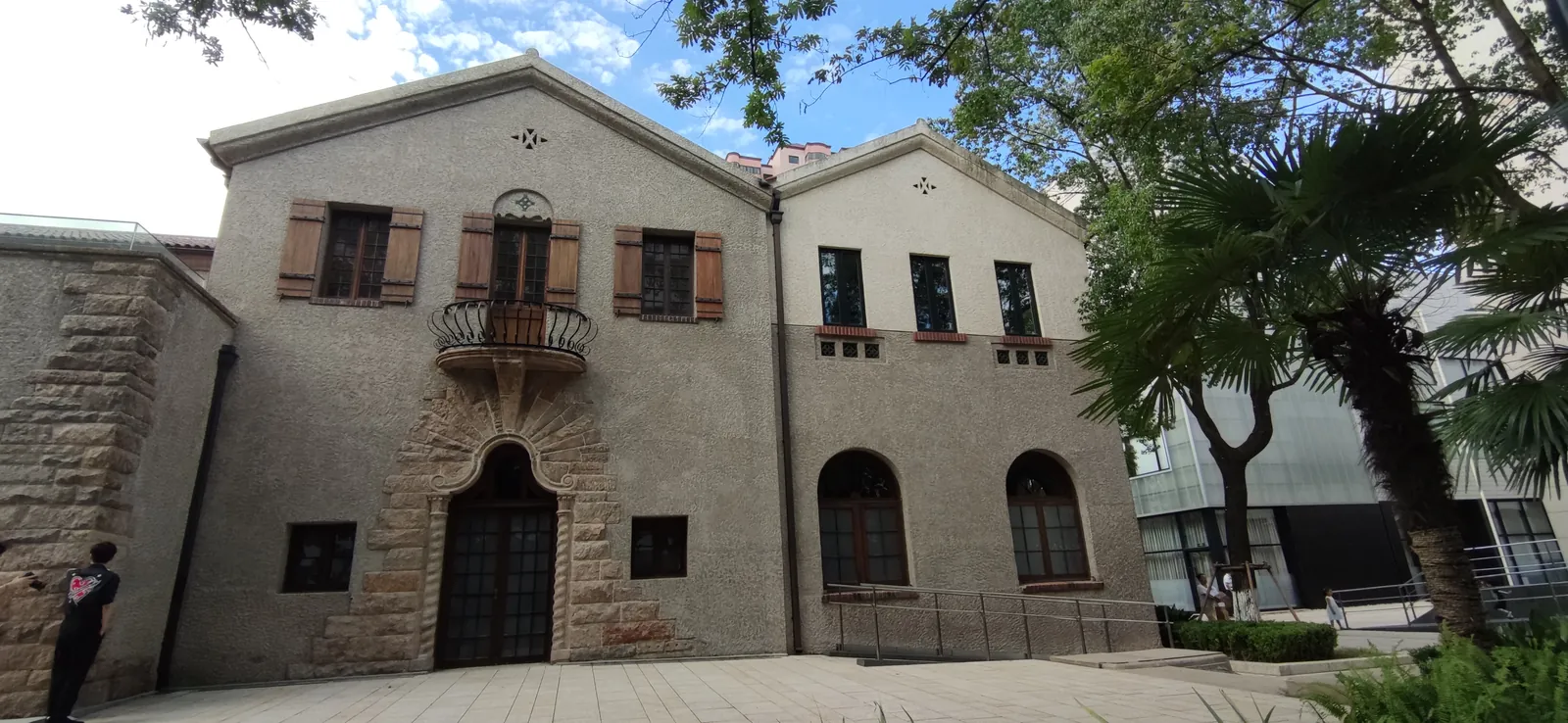
It sits in Changning district, bounded by Yan’an West Road, Panyu Road and Anxi Road, by the Xinhua Road historic conservation zone. In the 1920s and 1930s this was a social and recreational district for expatriate Americans, and the country club they built here, designed by an American architect, still stands: grey walls, red pantiles, a run of arched windows and curved gables in a Spanish mission idiom. From the 1950s a scientific research and production institution took the site over and it became a closed compound, and over the following decades laboratories, workshops and office buildings went up. Today’s campus is therefore two layers stacked together: garden buildings of the 1920s and 1930s, and factory and research blocks of the 1950s and after.
The site was updated in recent years and opened in two phases, with several plainly detailed multi-storey buildings added to the south. It is low-rise and walkable, with lawns, water features and entrances on several sides, open from early to late. The hours kept by the shops, exhibition spaces and bookshop inside all differ and have to be checked on the day.
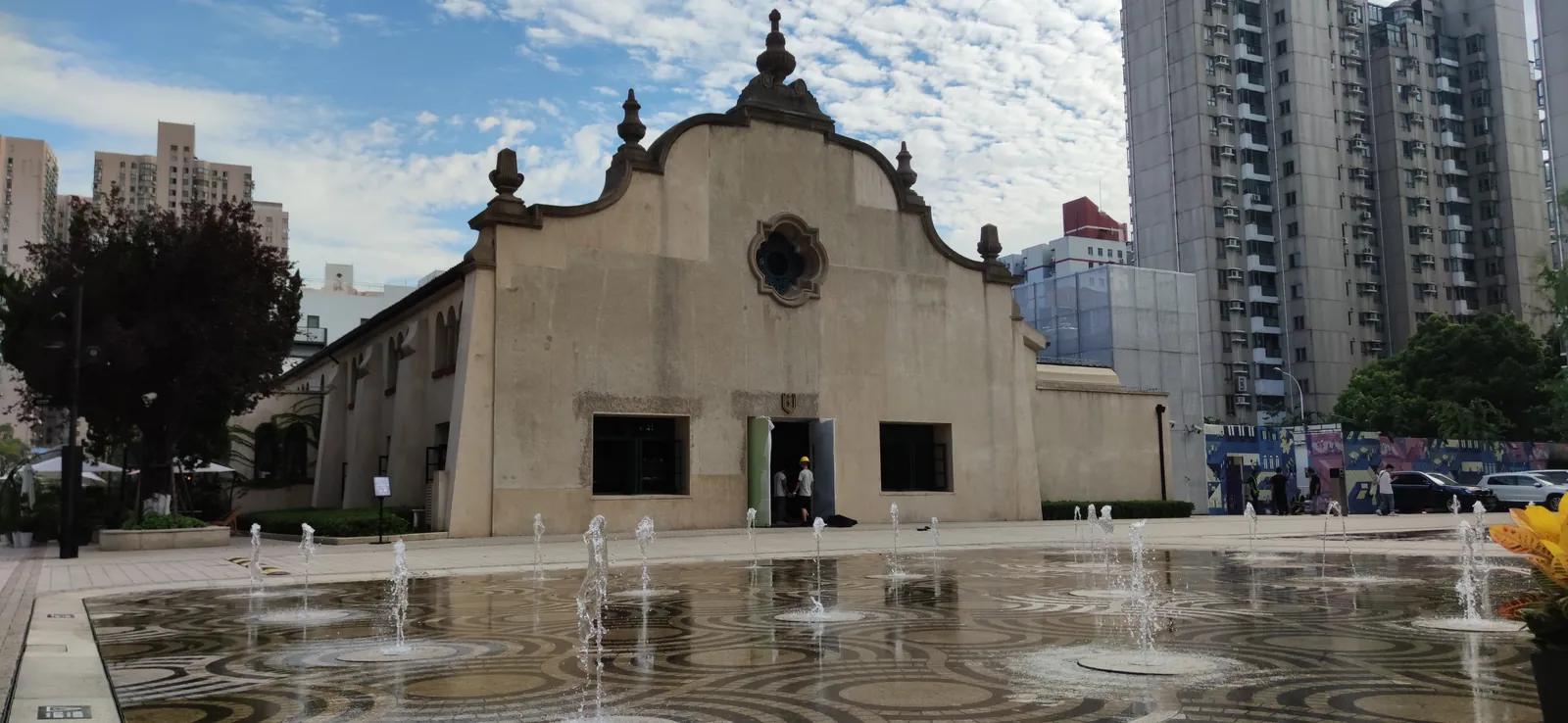
What to look at: the facades of the historic buildings, with their red pantiles, arched windows, wooden shutters and decorated gables; and the converted workshops and laboratory blocks among them, where old wall surfaces and window openings are still legible. The best known feature is the open-air pool built in the 1920s: mosaic-lined in an English style, its patterned floor preserved in the restoration and no longer used for swimming. The poolside and mosaic deck carry outdoor restaurant seating and often host events, and it is the most photographed spot here. One historic building now holds a bookshop.
Tonglefang: a small quarter left over from lane industry
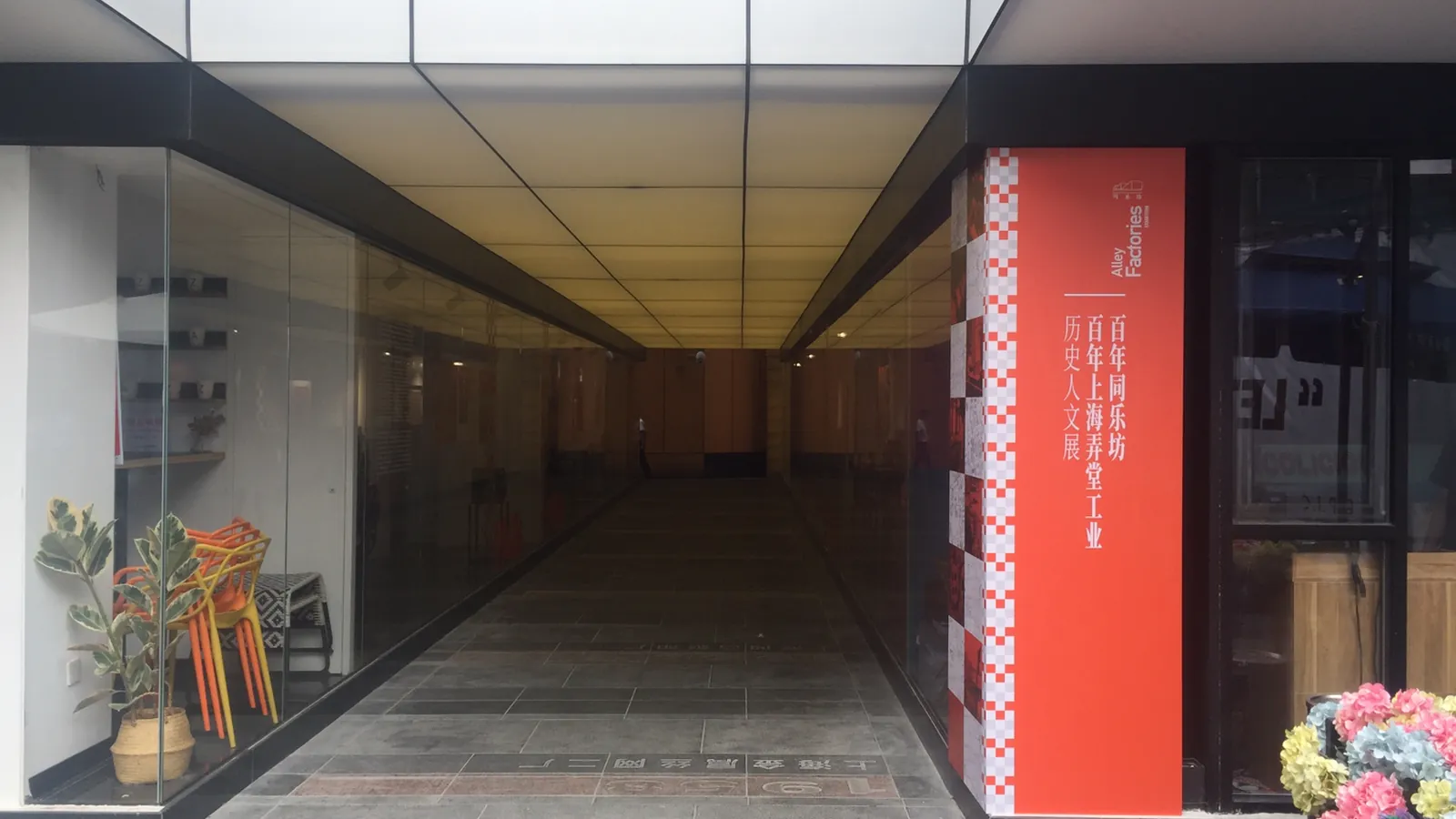
It is in Jing’an district, around Haifang Road and Yuyao Road, and far smaller than Columbia Circle: a lane or two plus a few buildings along the street, walkable in a quarter of an hour.
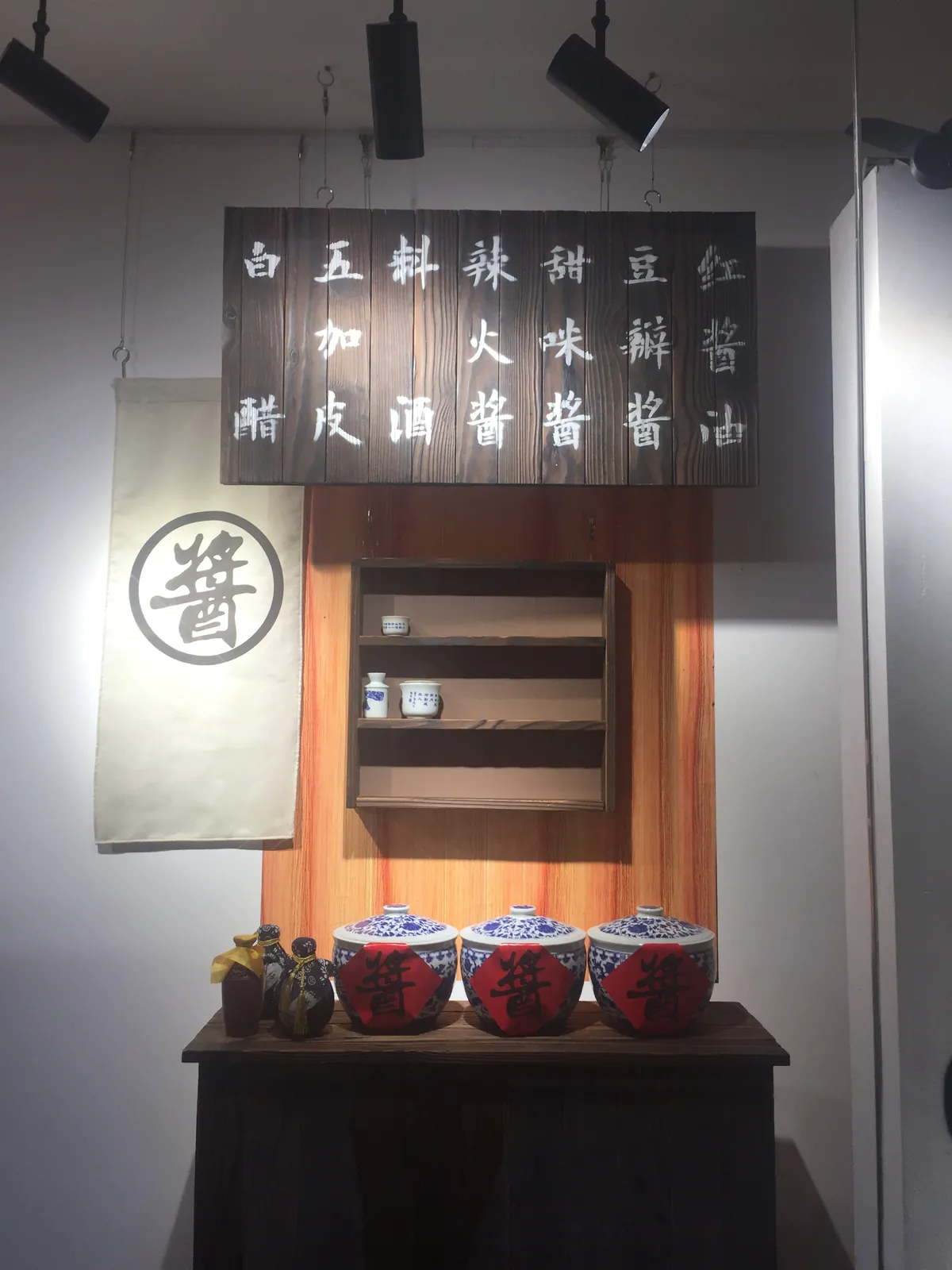
In the first half of the twentieth century this was a textbook case of what Shanghai calls lane industry. Small works and workshops making steel, textiles, chemicals, electric motors, sweets and biscuits opened inside the lanes, pressed against shikumen housing and residents’ lives on the same stretch of wall, with a theatre, a shopping hall, a photo studio and a sauce shop in the same lane. Production and daily life alternated in one place, the biggest difference from Columbia Circle: a club first, a research institute afterwards, and never a place where workshops mixed with homes at that density.
In recent years it has been remade into a small creative quarter in the spirit of repairing the old as old: restaurants, bars, studios and small offices mixed together, with the lanes’ scale, old wall surfaces and old doors and windows kept, and new work inserted alongside in glass boxes, steel canopies and new paving. Inside, a small exhibition covers the area’s lane industry, laid out by decade through display cases, old packaging, copies of old shop signs and a reconstructed scene, with bilingual labels. Whether it is open, and when, has to be checked on the spot.
How the two differ in character
Columbia Circle is large, level and bright. Between the buildings are paved squares, lawns, water features and a misted garden; circulation is clear, places to sit are plentiful, and so are people taking photographs. At weekends and on holidays it is effectively a commercial street.
Tonglefang is small, mixed and quiet. It has no axis: you walk in and you are in a lane, a few businesses packed together, some frontages empty or being fitted out. Few people, so the old walls and the old doors and windows read clearly; but little to see, and two turns and you are at the end. In one line: one is a campus, the other a neighbourhood lane.
What you actually do at either place
Neither has a ticket window or a route strung from point to point, and neither has anything you must see. What you do is plain: walk, look at buildings, sit for a while, eat something, take in an exhibition along the way.
Columbia Circle, a loop in an hour to an hour and a half: the facades of the historic buildings, the pool, the squares and gardens between them, browsing in the bookshop, somewhere to drink. After dark the lights come on and the water and the crowd in the square read differently. Exhibitions and events rotate by season; whether you can get in depends on the day.
Tonglefang, half an hour to an hour: the scale of the lanes, the gables and windows of the old workshop buildings, the small history exhibition, and a drink or meal in a courtyard. It is livelier in the evening, when restaurants and bars are the main event; by day many places are shut.
One thing to hold in mind: both are commercial property, not public cultural institutions, and what you can enter and what is trading depends on the leasing and on how business is going.
Joining the two in one afternoon and one evening
Geographically, Columbia Circle is in Changning, west of the centre, and Tonglefang in Jing’an to the north. They are a few kilometres apart: twenty to thirty minutes by taxi, or metro plus a walk. The Jiaotong University and Yan’an West Road metro stations are within walking or cycling distance of Columbia Circle; Tonglefang is a stretch from a station, so follow a map from the exit.
Columbia Circle first in the afternoon works better: good light, and the buildings, gardens, pool and bookshop all read clearly, with room to sit. Move to Tonglefang as it gets dark, when the lanes and the lighting lead straight into a meal. The reverse works too, but Tonglefang is quiet by day with many places shut, so a morning visit easily comes up empty.
On time: an hour to an hour and a half at Columbia Circle, two hours with a sit-down drink; half an hour to an hour at Tonglefang, an hour and a half with a meal; half an hour in transit. One afternoon plus one evening fits comfortably.
Choosing only one: for architecture, photographs and somewhere outdoors to take children, Columbia Circle; to avoid crowds and walk somewhere quiet before a meal, Tonglefang.
What to expect, honestly
First, much of the industrial character has been tidied into place. The squares, water features, misted garden and roof terraces at Columbia Circle are new, the old walls have been cleaned very clean, and the paving, planted trees and glazed openings are new: the industrial traces restored into something good-looking. It interprets a period of factory ground, but what you stand in is a designed campus. Tonglefang’s oldness is more direct, with walls, doors and windows and the scale of the lanes as they were, but it is leasing space too, and empty units and hoarding are normal.
Second, tenants turn over quickly. Shops, exhibitions and event programmes change by the season, and a business mentioned in a review may be gone months later. That is why this piece names no shops, no prices and no times: opening hours, whether an exhibition is open and which gates are unlocked all have to be checked on the day.
Third, both are better as somewhere to spend a slow couple of hours than as a destination worth a special trip. Columbia Circle is large enough to carry a journey; Tonglefang, if you go out of your way for it alone, feels poor value after fifteen minutes, and its correct use is attached to a meal and a walk nearby.
Who each suits: anyone interested in modern architecture and urban renewal, wanting photographs, or happy to spend time outdoors and in a bookshop or café fits Columbia Circle; anyone avoiding crowds, interested in lane industry and the scale of shikumen housing, or looking for a quiet place to eat is better matched by Tonglefang. With children, Columbia Circle’s open space, lawns and water make it easier.
Who will be bored: anyone hoping for industrial ruins and rust, since both are carefully finished; anyone after the raw street life of old Shanghai, since one is a designed campus and the other a remade lane; anyone on a tour of creative quarters, for whom Tonglefang’s size falls short; and anyone who dislikes crowds, for whom Columbia Circle at a weekend will be hard going.
place.gallery
Photographs
Related reading
Etiquette
Wukang Road and the old villas: a walk to take slowly
The Wukang Road area is a garden-villa district laid out in the 1920s and 1930s, and it is still residential. How to walk it north to south, why the Wukang Building cannot be avoided, what else is worth stopping for, and where the reputation and the reality part company.
7 min read